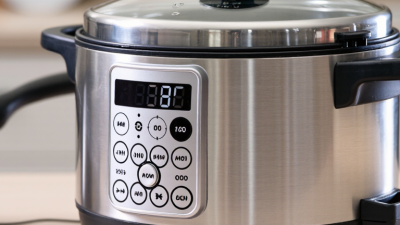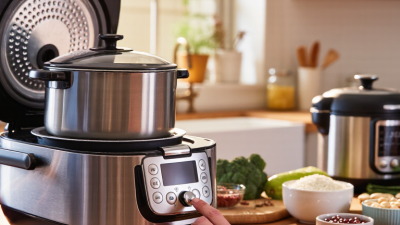
Choosing the best pot multi cooker in 2026 is less about collecting features and more about matching one appliance to your everyday cooking. A model with pressure cooking, slow cooking, sautéing, and rice settings can replace several countertop devices, but only if its controls feel clear and its capacity suits your household. A three-quart pot may work for a couple, while family meals often need six quarts or more. Check the usable capacity, not just the number printed on the box.
Small details matter. A heavy inner pot can be awkward to lift when full, and a lid with hard-to-clean seams may turn weeknight cleanup into a chore. This guide explains how to compare cooking functions, pressure settings, safety features, materials, warranties, and replacement-part availability. It also considers practical questions, such as whether the cooker can sauté onions before adding broth or keep a stew warm without drying it out. Product specifications and prices can change, so verify current details with the manufacturer and retailer before buying. No single cooker is best for everyone. Some models offer more presets than most cooks need, and a low price can involve trade-offs in durability or support. Use the comparisons here to identify those compromises, then choose a pot multi cooker that fits your recipes, counter space, and budget.
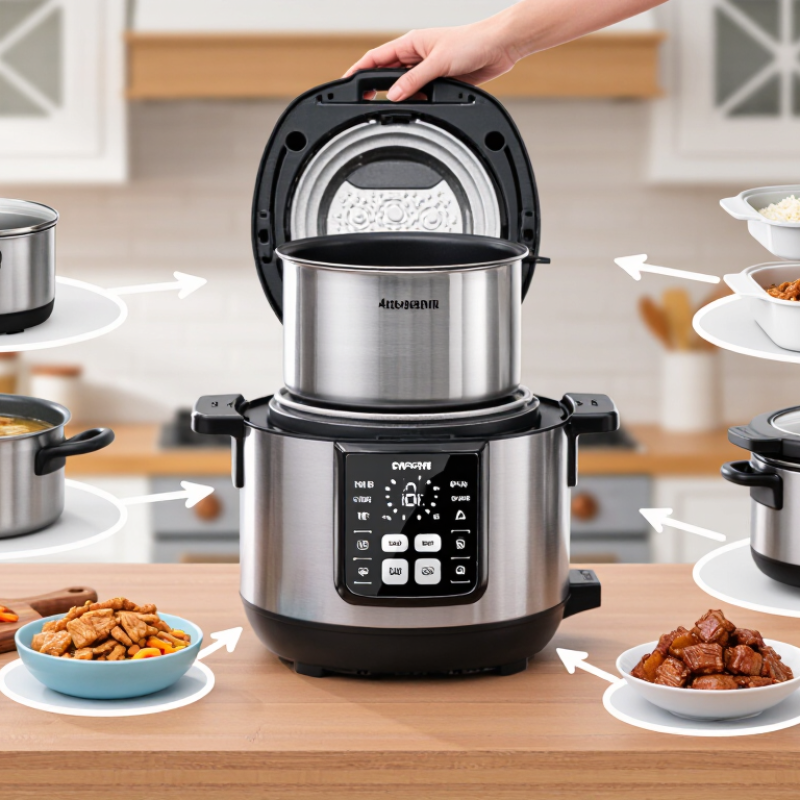
A multi cooker is an electric countertop appliance that combines several cooking functions in one pot. Depending on the model, it may pressure-cook, slow-cook, steam, sauté, or keep food warm. Its controls set a cooking time and temperature, while built-in sensors monitor heat. In pressure mode, a sealed lid traps steam, raising pressure and cooking food faster. In slow-cook mode, the appliance uses gentler heat over a longer period.
Same pot, different method.
The inner pot transfers heat to the food, and the lid helps retain moisture. Pressure cooking requires a properly seated lid and a clear steam valve; otherwise, the cooker may not operate as intended. Many models include automatic shutoff or temperature controls, but these features do not replace careful use. Follow the manual for filling limits and pressure release steps.
The controls can take a few tries to learn. I still find timing less predictable with unusually large ingredients.
Tips: Check the pot’s minimum and maximum fill lines before cooking. Cut dense vegetables into similar-sized pieces for more even results. Keep hands and face away from escaping steam. After cooking, clean the sealing ring and valve area, where food residue can collect. A little extra cleanup is easy to overlook.
When comparing a multi cooker, check which functions you will actually use. Pressure cooking can shorten cooking time for beans, stews, and tougher cuts of meat. Slow cooking offers a gentler option, while sauté mode lets you brown onions directly in the pot. Rice, steam, and yogurt settings may be useful, but extra presets do not guarantee better results. Small details matter.
Compare capacity with the number of people you usually feed. A large pot can be awkward to store and may need more food to cook evenly. Look for clear minimum and maximum fill marks, especially if you plan to pressure cook. Check whether the inner pot is easy to lift when full, and whether its handles stay cool. A wide opening can also make stirring and cleaning less of a chore.
Controls deserve a close look. Are the display and buttons readable from your usual counter position? Can you adjust time and temperature, or are you limited to preset programs? Check for a secure lid lock, a clear pressure indicator, and controlled steam release. These features matter during everyday use, not just on a feature list. Some specifications are frustratingly vague, so compare manuals when possible. Also consider replacement seals and how many parts need washing after one meal. A dishwasher-safe pot helps, but the lid may still require hand cleaning.
Capacity is easier to choose when you picture a usual meal, not a holiday feast. A 3- to 4-quart cooker often suits one or two people, while around 6 quarts gives a small household room for soup or grains. Larger models can help with batch cooking, but they need more counter and cabinet space. That matters. Check the marked fill lines, too; ingredients need space to bubble safely, so the full advertised volume is not always usable cooking capacity.
Design affects how often the cooker feels convenient. Measure the counter beneath your cabinets before buying, especially if the lid opens upward. Measure twice. A removable inner pot should feel manageable when full, and sturdy handles make it easier to lift. Look for controls you can read from a normal standing position. A steam-release control set away from the vent can also help keep hands clear.
Think through cleanup and storage as well. A pot with a smooth interior and dishwasher-safe parts may save time, but confirm which pieces can actually go in the dishwasher. Check whether the lid, cord, and accessories fit in your usual cupboard. I have found that a wide cooker can be awkward on a narrow counter, even when its capacity looks perfect on paper. That trade-off is easy to miss.
Safety deserves more than a reassuring lock icon. Check for a lid that stays locked under pressure, clear pressure indicators, and a steam release that directs hot vapor away from hands. NFPA’s 2024 report on home cooking fires found cooking equipment involved in 49% of reported U.S. home fires from 2017 to 2021. That figure covers cooking equipment broadly, not multicookers alone, but it makes clear why safe handling matters. Small details count. A release valve placed near a cabinet can send steam upward, where fingers may reach while lifting the lid.
Ease of use is practical, not flashy. Look for readable controls, a clear pressure countdown, and settings that are easy to cancel. A crowded panel can make a simple meal feel oddly technical. Removable inner lids and accessible sealing rings also make cleaning less awkward. Check the manual before putting parts in a dishwasher; heat and detergent may wear some seals sooner.
Maintenance affects both hygiene and performance. After cooking, clean the lid, valve, and condensation collector, then inspect the sealing ring for cracks or trapped food. USDA Food Safety and Inspection Service guidance says perishable food should be refrigerated within two hours. A clean, easy-to-open pot makes that routine more likely. Still, cleaning can be fiddly around narrow valves, so consider whether the parts come apart without tools.
| Buying Dimension | What to Look For | Practical Evaluation | Why It Matters |
|---|---|---|---|
| Capacity | Check the pot’s stated capacity and the usable fill limits in the manual. Common household models are sold in capacities around 3 to 8 US quarts. | Match capacity to typical batch size, storage space, and the number of people you usually serve. Pressure cooking instructions may limit food to two-thirds full, or half full for foods that expand or foam; follow the specific manual. | Capacity affects batch size, counter space, and safe filling. The full pot volume is not always the safe cooking volume. |
| Pressure safety | Look for a lid-locking mechanism, pressure-release controls, clear pressure indicators, and instructions for safe opening. Confirm that the appliance has appropriate electrical-safety certification for your region. | Read the manual’s pressure-release and opening steps before buying. Check that controls can be operated without placing a hand over the steam outlet. | Pressure cookers contain hot, pressurized steam. Clear controls and safeguards help reduce the risk of burns or opening the lid under pressure. |
| Steam release | Review how steam is released, where it vents, and whether the release control is easy to reach. Some designs use a remote or shielded release control. | Make sure the vent can be kept clear and directed away from cabinets, walls, and the user. Follow the manual’s guidance on natural and quick release. | Steam can cause burns and may damage nearby surfaces. Release method also affects how a recipe finishes. |
| Lid and sealing parts | Check that the sealing ring, steam valve, and any removable lid parts are identified in the manual and can be inspected and cleaned. | Look for instructions on checking the ring for damage, correct placement, and replacement. A damaged or incorrectly fitted ring can prevent proper sealing. | These parts are central to pressure operation and need regular inspection and cleaning. |
| Controls and readability | Prefer clearly labeled settings, a readable display, and straightforward time and temperature adjustments. Check whether the interface provides cooking-stage or pressure-status information. | Consider whether the controls are understandable without relying on an app. Review the manual or an in-store demonstration if possible. | Simple controls make it easier to select the correct program and notice the appliance’s current status. |
| Cooking functions | Compare the functions you will use, such as pressure cooking, slow cooking, steaming, sautéing, and keeping food warm. | Check the manual for the available settings and their limits. A function name alone does not show its temperature range or suitability for every recipe. | Useful functions can reduce the need for separate appliances, while unused programs may add complexity without value. |
| Inner pot and food-contact surfaces | Confirm the pot material, surface coating if present, and the manufacturer’s care instructions. Check whether the pot is removable and compatible with the cleaning method you prefer. | Use utensils and cleaning tools recommended in the manual. Avoid abrasive cleaning on coated surfaces unless the instructions explicitly allow it. | Appropriate care helps protect the cooking surface and maintain the pot over time. |
| Cleaning and dishwasher guidance | Check which components are removable and which are dishwasher-safe. Do not assume the lid, sealing ring, or valve parts can go in a dishwasher. | Confirm how to clean the lid, vent, condensation collector, and cooking base. The electrical base should not be immersed in water. | Food residue around seals and vents can affect hygiene and appliance operation. Clear cleaning instructions make routine maintenance easier. |
| Size and handling | Review the appliance’s dimensions, weight, cord arrangement, and storage requirements before purchase. | Measure the counter and storage space, allowing room around the unit for ventilation and safe steam release as directed by the manual. | A large cooker can be difficult to move or store, and poor placement can obstruct ventilation or expose nearby surfaces to steam. |
| Warranty and support | Read the warranty duration, coverage exclusions, availability of replacement sealing rings or pots, and access to the instruction manual. | Check the terms for your country and retain proof of purchase. Wear parts may be treated differently from electrical components. | Accessible parts and clear support information can make maintenance and repair more practical. |
Buying note: Safety features, cleaning instructions, electrical certification, and usable capacity vary by model and market. Verify each item in the exact product manual before purchase.
A sensible multi cooker starts with your weekly routine, not its longest feature list. If you cook beans, rice, or stews for several people, compare usable capacity and pressure-cooking settings. A smaller household may value a compact bowl that fits a narrow cupboard more than extra programs. Check the inner pot’s weight, replacement-part availability, and whether the lid is easy to clean. Those details affect daily use. The cheapest option is not always the cheapest to keep.
Budget for the full cost: cooker, accessories you will actually use, and possible replacement parts. USDA’s Economic Research Service estimated that 31% of the U.S. food supply was lost at retail and consumer levels in its 2014 report. That estimate is old, and a cooker alone cannot prevent waste. Still, matching capacity to portions may help avoid cooking more than you can store. Be realistic. A large pot can look versatile, but leftovers need fridge space and a plan. If you cook once or twice weekly, a basic model may suit you; frequent batch cooking can justify a sturdier pot and clearer controls. Compare warranty terms before paying extra for modes you may rarely touch.