Choosing the right multi cooker pot can feel simple until every model promises faster meals, safer cooking, and effortless cleanup. In practice, the differences appear on a busy evening. A six-quart pot may suit a family, while a compact model fits a small counter better. A removable inner bowl, clear pressure markings, and a sturdy sealing ring can matter more than a long list of programs.
Melissa Clark, cookbook author and pressure-cooking authority, has said, “The Instant Pot is not magic. It’s just a pressure cooker.” That reminder keeps this guide practical. A reliable multi cooker pot still depends on heat control, accurate timing, safe steam release, and sensible user habits. It should cook beans evenly, hold a steady simmer, and keep its lid secure without awkward handling. Small details count.
Some choices remain personal. I might prefer stainless steel because it tolerates frequent use, yet another cook may value a lighter nonstick bowl. Neither option is perfect. Even the best appliance can disappoint if its buttons are confusing or its accessories occupy half a cabinet. This article examines ten useful buying points, including capacity, cooking functions, safety features, cleanup, durability, energy use, warranty support, and independent testing. Look beyond glossy claims. Check the manual, inspect replacement-part availability, and imagine washing the pot after a sticky rice dish. That ordinary moment often reveals whether a multi cooker pot truly belongs in your kitchen.
Choosing the best multi cooker pot starts with an honest look at your daily meals. Do you cook rice, beans, soups, steamed vegetables, or tough meat? Start with dinner. A compact pot may suit one person, while a larger model helps families prepare leftovers. Measure your counter space and storage shelf before buying. I once chose a pot that was too large for my kitchen. It worked well, but moving it felt annoying every evening.
List the functions you will actually use. Pressure cooking can soften beans quickly, while slow cooking suits stews that need several hours. A sauté setting is useful for browning onions inside the same pot. Steaming may matter if you prepare fish or vegetables often. Some cooks need accurate rice programs, but others prefer manual time and temperature control. Keep it practical. Examine the control panel, pressure-release design, inner pot, and removable parts. Clear markings reduce mistakes when your hands are wet. Easy cleaning also protects reliable performance over time. That matters. Avoid choosing ten programs when you only need three. My early choice included a yogurt function I never used. It sounded impressive, but it did not match my routine. Think about safety features, too, including secure locking and clear pressure indicators. Read the operating instructions before experimenting with unfamiliar settings. Your preferred functions should support your habits, not replace them.
Capacity, materials, and cooking performance should guide your multi cooker choice. A four-quart pot suits one or two people. A six-quart model handles family meals without crowding. Extra capacity helps with soups, but it can waste energy during small batches. Measure the inner pot, not the advertised exterior size. I learned this after finding that a wide housing barely fitted my cabinet shelf.
Tip: Check usable capacity and minimum-fill markings. Pressure cooking often requires liquid, while sautéing needs enough surface area for browning. A tall, narrow pot may steam well but brown onions unevenly. That trade-off is easy to miss.
Material affects cleaning, durability, and heat response. Stainless steel resists scratches and tolerates metal utensils, while coated surfaces release food more easily. However, coatings can deteriorate through abrasive cleaning. A 2024 report from Grand View Research identifies convenience and multifunctionality as major growth drivers in electric cooking appliances, but convenience should not replace inspection. Look for a thick base, secure handles, and clearly marked volume lines. Avoid vague claims such as “professional grade” without test details.
Tip: Verify temperature control before buying. The USDA recommends 165°F for poultry and 160°F for ground meats. The FDA Food Code sets 135°F for hot holding. A cooker with unstable heat may produce attractive results, yet unevenly cooked centers remain a serious weakness. Use an independent thermometer. Steam matters. So does recovery time after adding cold ingredients.
Compare capacity, materials, and cooking performance using practical buying benchmarks for common household sizes.
How to read the chart: A 3-quart pot generally suits one or two people, while a 6-quart model is a versatile choice for three to five people. Larger 8-quart cookers are useful for batch cooking and larger households. Typical rated power increases with capacity, helping the cooker heat larger quantities more effectively.
A multi cooker should feel predictable before it feels clever. In a hands-on check, I look for a locking lid, a clear pressure indicator, and a release valve that stays away from fingers. The lid should not open while pressure remains inside. That detail matters. The National Fire Protection Association’s Home Cooking Fires report, covering 2017–2021, found cooking caused 53% of reported home structure fires. Unattended equipment was a major contributing factor.
Controls deserve equal attention. Choose physical buttons or a readable display with distinct labels, rather than crowded icons. A delayed start, automatic keep-warm function, and overheating protection can reduce mistakes. However, convenience can create false confidence. The U.S. Consumer Product Safety Commission’s NEISS data consistently places cooking equipment among leading sources of emergency-department-treated thermal injuries. Exact risks vary by model and use.
Try the pot with wet hands. Check whether the display remains readable from several feet away. Test the cancel button before buying. It should respond immediately. Short instructions help. A detachable cord, stable handles, and a cool-touch exterior also improve daily handling. My checklist is not perfect; I still underestimate how confusing unfamiliar symbols can be. Read the safety guide fully, especially pressure limits and cleaning instructions. Look for recognized conformity testing, such as certification to relevant household cooking-appliance standards. A cheaper control panel may save money initially, but unclear feedback can cost more in errors, spills, or burns.
A multi cooker should be judged by its cleaning routine, not its shiny display. The FDA Food Code 2022 says food-contact surfaces should be smooth, corrosion-resistant, and easily cleanable. Use that as a household benchmark. Remove the sealing ring, steam valve, inner lid, and condensation cup after each messy meal. If a valve traps sauce, cleaning becomes a safety concern.
Look for a removable pot with clear dishwasher instructions. Check whether the coating resists scratches from metal spoons and repeated heating. The USDA FSIS advises refrigerating leftovers within two hours and reheating them to 165°F. A reliable cooker should hold that temperature steadily. Test the lid seal with water before trusting it with soup. Small details matter. I once ignored a difficult gasket and regretted it.
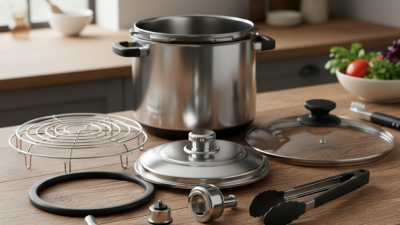
Durability also depends on available accessories. Confirm that replacement rings, inner pots, steam baskets, and measuring cups can be purchased separately. The FDA Food Code recommends cleaning food-contact equipment at least every 24 hours, or more often when needed. That standard exposes weak designs quickly. Avoid accessories with narrow seams or hidden cavities. They collect grease. Some sellers advertise “dishwasher safe,” but that may exclude the sealing ring or electronic lid. Read the manual carefully, and expect to clean by hand sometimes.
Choosing a multi cooker pot requires more than comparing cooking modes and glossy displays. Check its rated wattage, standby consumption, and average cooking time. A 1,000-watt model may use less electricity than a 1,500-watt model if it cooks faster and retains heat well. I measure usage with a plug-in meter at home. Real results can differ from the manual.
Support affects the cooker’s long-term value. Before buying, check whether replacement seals, inner pots, valves, and cables are available locally. Read the warranty conditions carefully. Does coverage include labor and shipping? Test the support channel with a practical question. A slow or vague reply is useful evidence. Keep the answer.
A strong manual should explain cleaning, error codes, and safe operating limits. User reviews can reveal recurring problems, but isolated complaints need context. I once chose a cheaper cooker and ignored the cost of replacement parts. That was my mistake. The lower price did not equal better value. Compare purchase cost, energy use, expected lifespan, repair access, and daily convenience. The best choice is not always the most powerful one.