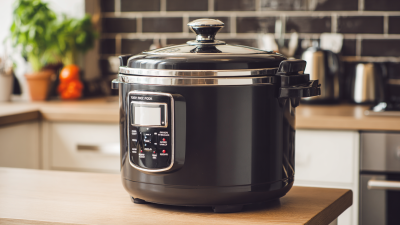
Choosing the best pot multi cooker in 2026 is less about collecting features and more about matching the appliance to real routines. Will it cook beans on a busy weeknight, keep rice warm, or replace a separate pressure cooker? Nathan Myhrvold, author of Modernist Cuisine and a culinary-science expert, wrote, “Cooking is an art, but all art requires knowing something about the techniques and materials.” That idea applies here: understand what each setting does before trusting a crowded control panel.
Start with capacity, counter space, and the cooking tasks you repeat most. A family making large batches may need a different inner pot from a couple preparing smaller meals. Check whether the pot lifts out easily, whether its coating suits your cleaning habits, and whether the lid and sealing ring are simple to wash. Look closely at pressure and temperature controls, clear instructions, and built-in safety features. Small details matter. A bright display is useful, but not if the buttons feel confusing when steam clouds your glasses. Reviews can reveal recurring problems, yet one person’s perfect appliance may be another person’s bulky cupboard resident. That is the part buyers sometimes underestimate.
This guide compares the practical trade-offs behind popular designs, including cooking performance, ease of use, maintenance, and value. It also asks a less tidy question: how much convenience will you actually use? No single pot multi cooker suits every kitchen, and feature lists can make the choice seem easier than it is. A careful match is better than a shiny impulse.
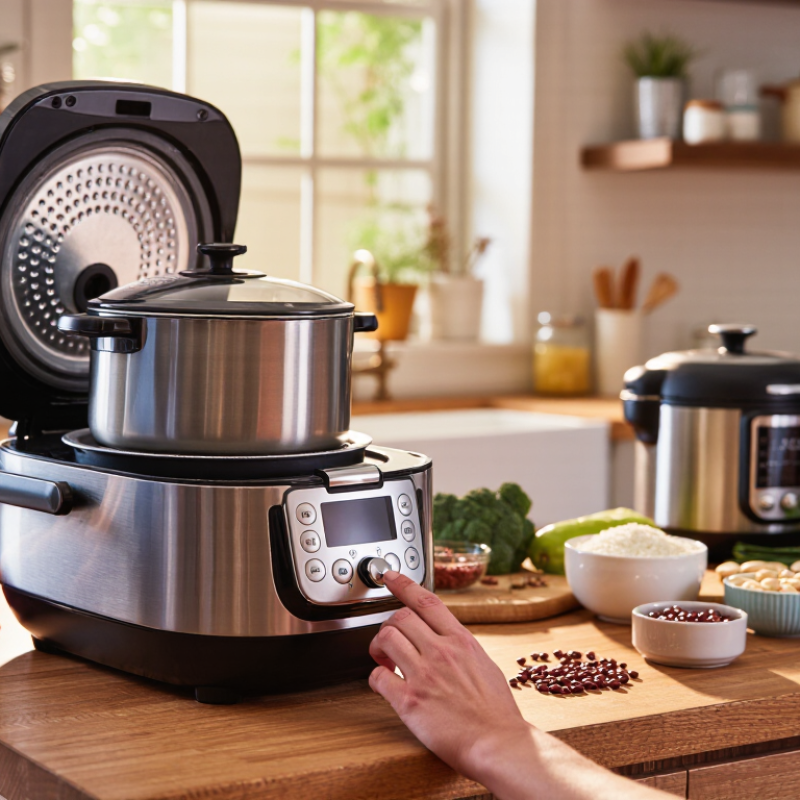
Choosing between a 6-quart and an 8-quart multicooker starts with your usual portions, not the biggest meal you might cook once a year. The U.S. Census Bureau’s 2023 American Community Survey reports an average household size of about 2.5 people. That makes a 6-quart pot a practical fit for many smaller households, weeknight dinners, and modest batches of soup. It can also take less counter space. A 6-quart pot may feel cramped when you add ingredients for meal prep or invite guests.
An 8-quart model gives more room for large batches, whole cuts of meat, or cooking ahead for a busy week. Check the usable capacity, though: pressure cooking requires headspace, and the maximum-fill line matters. Bigger is not automatically better. If you often cook two portions, extra volume can mean more unused space and a bulkier appliance to store. A useful test is to list three meals you make regularly, then note their ingredient volume and leftovers. Be honest about how often you batch-cook; plans change. The Census figure is a national average, not a serving guide, so your appetite, freezer space, and preferred leftovers should decide the final size.
A 6-quart cooker rated at 1,000 watts draws less power at its rated maximum than an 8-quart model rated at 1,200 watts. That is a 200-watt difference, or 20 percent more instantaneous demand for the larger unit. It may matter when several appliances share a kitchen circuit. Check the cooker’s rating plate and your home’s circuit guidance before plugging in multiple high-power devices. A kettle running nearby can change the practical picture.
Watts alone do not tell you the full cost of a cooking cycle. Energy use depends on how long the cooker runs and how often its heating element cycles. For example, one hour at a steady 1,000 watts would use 1 kilowatt-hour; one hour at 1,200 watts would use 1.2. Actual use can be lower because heating is not always continuous. Worth checking.
Choose capacity around your usual portions, not an occasional feast. A smaller cooker may suit weekday meals, while the 8-quart model can leave room for larger batches. Still, extra capacity can mean more food to heat, and cooking time varies with ingredients and fill level. The higher rating does not automatically mean a faster meal. I would compare the appliance label, recipe guidance, and likely batch size; wattage is useful, but it is not the whole decision.
When choosing a multi cooker in 2026, check its safety listing against the appliance’s exact model number. UL 1026 covers household electric cooking and food-serving appliances. IEC 60335-2-15 sets safety requirements for appliances that heat liquids. These standards are not interchangeable labels. Ask the seller or manufacturer for the test report or certification record, including the standard edition and tested model. A logo on a product page is not enough.
Look closely at the lid lock, pressure-release path, temperature controls, and power cord. For pressure-capable models, confirm that the listing covers the pressure-cooking function; one standard may not cover every design detail. NFPA’s Home Cooking Fires report found that cooking equipment was involved in 49% of reported U.S. home fires from 2014 to 2018. That figure covers cooking equipment broadly, not multi cookers alone. It still makes safety checks worthwhile. A listing is useful evidence, not a promise that every kitchen setup is risk-free. Check that the model number on the appliance matches the documentation. Then read the operating limits, even if the label already looks reassuring.
A pot multi cooker is most useful when its cooking modes match meals you actually prepare. Pressure cooking can shorten the time for beans or stews, while slow cooking suits dishes that need several hours. Rice, sauté, and steam modes may help, but extra settings are not automatically better. Check whether the machine lets you adjust time and temperature, rather than relying only on presets. A preset can be convenient, but ingredients vary in size and starting temperature.
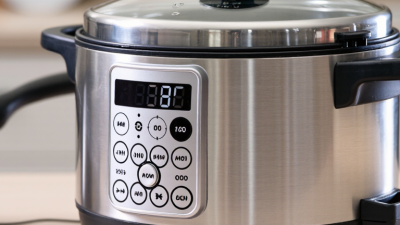
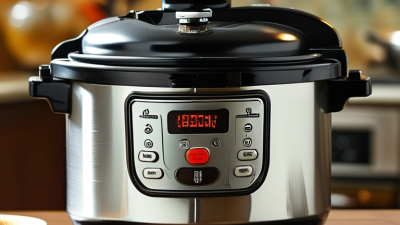
Controls should be readable at a glance. Look for clearly labeled buttons, a display that remains visible on a dim counter, and simple ways to change settings mid-cycle. If several menus are buried behind one dial, everyday cooking may feel slower than expected. Small annoyance, real consequence. Also check that the lid locks securely and that pressure-release instructions are easy to understand. The manual matters; keep it nearby until the controls feel familiar.
Cleaning requirements deserve equal attention. A removable inner pot with a smooth, nonstick-free or coated surface can simplify washing, but follow its care instructions to avoid damage. Check whether the sealing ring, steam valve, and lid parts can be removed and cleaned separately. These areas collect moisture and food residue. If parts are awkward to reach, cleanup may become a chore after one-pot meals. Measure the cooker against your sink and storage space, too; a heavy lid is not always easy to rinse.
| Evaluation Factor | What to Look For | Best Fit or Practical Guidance | Check Before Buying |
|---|---|---|---|
| Capacity | Common sizes include about 3, 6, and 8 quarts. Pressure cooking requires empty space at the top; many recipes should not exceed the cooker’s fill limits. | Around 3 quarts suits small portions; 6 quarts is a versatile household size; 8 quarts can help with larger batches and meal prep. | Compare the stated capacity with usable cooking volume, countertop space, and the number of people you usually serve. |
| Cooking modes | Useful modes may include pressure cooking, slow cooking, sautéing, steaming, rice cooking, yogurt making, and warming. Available modes vary by model. | Choose modes that replace appliances or steps you use regularly; avoid paying for specialty programs you are unlikely to use. | Check whether a mode has adjustable time and temperature, or only a preset program. |
| Controls and display | Look for readable time and status indicators, clearly labeled buttons, and straightforward ways to set cooking time and pressure level. | Simple controls work well for everyday cooking; programmable settings can be useful if you often adjust recipes or cooking schedules. | Check that the display is easy to read from your usual cooking position and that important settings are easy to change. |
| Pressure settings | Many electric pressure cookers offer high and low pressure settings, while some also provide adjustable levels or pressure-specific programs. | Two pressure levels cover many common recipes. More adjustment can help when following specialized instructions. | Confirm that recipe instructions match the cooker’s available pressure settings and release methods. |
| Inner pot | Stainless steel pots are generally durable and do not have a nonstick coating; coated pots can make food release easier but require gentler utensils. | Choose based on your cleaning preferences, cooking habits, and willingness to avoid metal utensils on coated surfaces. | Check whether the pot is dishwasher-safe, whether replacement pots are available, and whether it has measurement markings. |
| Cleaning requirements | The inner pot is typically removable. Depending on the design, the lid, sealing ring, steam-release parts, and condensation collector may need separate cleaning. | A lid with removable parts can make thorough cleaning easier, especially after cooking foods with strong aromas or sauces. | Read the care instructions: some parts may be dishwasher-safe while the cooker base must only be wiped clean. |
| Sealing ring and odors | The silicone sealing ring helps create a pressure-tight seal and can retain food odors. Some cookers use a removable ring. | A spare ring can be convenient if you frequently switch between savory dishes and mild or sweet foods. | Check the recommended cleaning method, replacement availability, and how the ring is removed and reinstalled. |
| Safety features | Electric pressure cookers commonly include a locking lid and pressure-control mechanisms. Exact safety features differ by model. | Prioritize a design with clear lid-lock indicators and instructions for releasing pressure safely. | Review the user manual for pressure-release guidance, fill limits, and any required inspection or maintenance. |
| Footprint and storage | Larger-capacity cookers generally take up more counter and storage space. The lid and power cord also affect storage needs. | Measure your available counter space and storage area before choosing a capacity. | Check the appliance’s dimensions and weight, and leave room around it for ventilation and safe steam release. |
| Accessories and replacement parts | Common accessories include a steaming rack or basket. Sealing rings and inner pots may eventually need replacement. | A basic accessory set is sufficient for many cooks; prioritize parts you will actually use. | Confirm which accessories are included and whether compatible replacement parts can be obtained. |
A long warranty can look reassuring, but read what it actually covers. Check the coverage period for the heating base, inner pot, lid, and electrical components. Some warranties exclude wear items, accidental damage, or labor. Shipping costs may also fall to you. Keep the terms where you can find them later. Fine print matters.
Replacement parts can determine whether a small fault becomes a costly inconvenience. Look for clear instructions on ordering a compatible sealing ring, steam valve, or inner pot. Check whether parts are sold individually and whether support can confirm compatibility using the cooker’s exact model number. Ask how long common parts are expected to remain available. Ask before buying. A vague answer is worth noticing.
You can contact customer support with one simple question before checkout: “Can I buy a replacement lid seal for this model, and what does it cost?” Note how quickly and specifically they respond. Save the reply and your proof of purchase. A warranty is less useful if the repair process feels confusing. I would not choose a cooker on warranty length alone; clear parts access may matter more after years of regular use. There is a trade-off, though: a longer warranty does not guarantee fast service.