
What Is an HDPE Bottle?

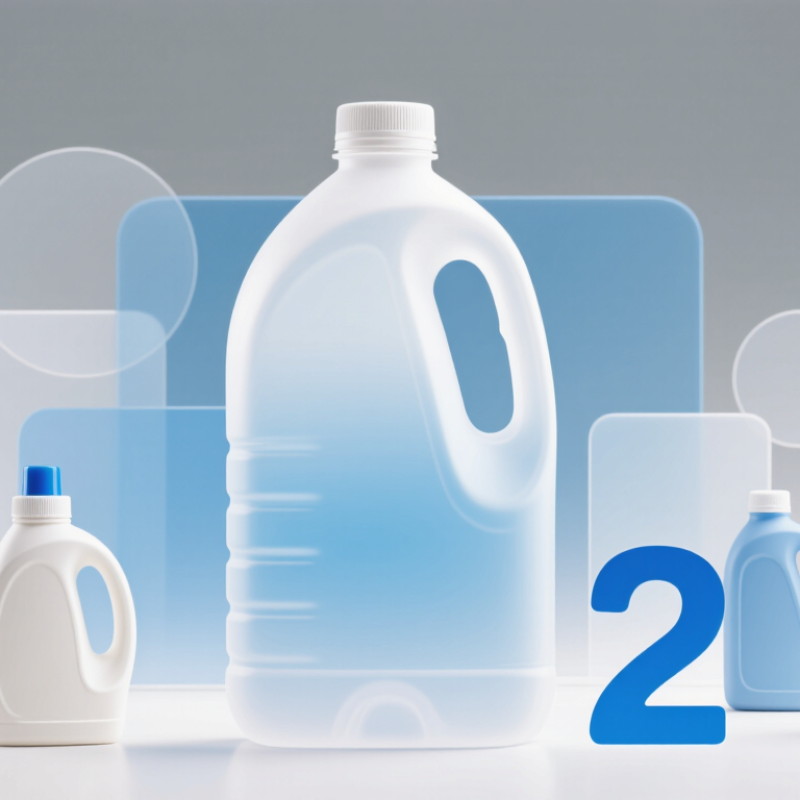
An hdpe bottle is a container molded from high-density polyethylene, a lightweight thermoplastic valued for impact resistance and moisture protection. Look at a detergent jug or a milk bottle: the walls flex slightly, yet the container keeps its shape. Many are marked with resin identification code 2. That mark identifies the polymer; it does not, by itself, guarantee that a local recycling program accepts the bottle.

The material’s usefulness is only part of the story. The U.S. Environmental Protection Agency reported that 14.5 million tons of plastic containers and packaging were generated in 2018, while 13.6% were recycled. Those figures cover plastic containers and packaging broadly, not HDPE bottles alone. They still show why collection and end markets matter. A bottle may be recyclable in principle, but its actual path depends on sorting, local services, and whether recycled material has a buyer.

Circular-economy expert Ellen MacArthur has called for us to “rethink the way we make and use plastics.” Her point applies here: material choice is not the whole solution. An hdpe bottle can be durable and practical, yet its design, label, color, and disposal route affect what happens next. That detail is easy to overlook. It is not a perfect loop. This introduction sets up a closer look at how these bottles are made, where they are used, and what their recycling claims really mean.
What Is an HDPE Bottle?

What Defines an HDPE Bottle? Resin Density Typically Ranges from 0.941–0.965 g/cm³

An HDPE bottle is made from high-density polyethylene, a tough, lightweight plastic resin. One useful way to describe the resin is by its density, typically 0.941–0.965 g/cm³. This figure refers to the plastic material, not the average density of a hollow, finished bottle. Air inside the container changes the overall measurement.

That range matters because density relates to how polyethylene chains pack together. A denser resin often produces a stiffer bottle, while a less dense grade may feel more flexible. Imagine pressing the side of a small bottle: its give depends on the resin, but also on wall thickness, shape, and manufacturing conditions. Density is useful. It does not tell the whole story.

For packaging teams, resin density can help compare material grades and check incoming specifications. It should be considered alongside impact strength, chemical compatibility, and the bottle’s intended contents. A bottle that feels sturdy on a sample table may behave differently when filled, stacked, or squeezed during use. That distinction is easy to overlook. A density value is a starting point, not a complete performance test.

What Is an HDPE Bottle? — What Defines an HDPE Bottle?

Dimension Typical Information What It Means for the Bottle
Material High-density polyethylene (HDPE), a thermoplastic in the polyethylene family. The bottle body is made from HDPE resin, which can be softened by heat and formed into a container.
Resin density Typically 0.941–0.965 g/cm³. Density is a defining material characteristic; the exact value depends on the resin grade and formulation.
Common forming method Extrusion blow molding is widely used for HDPE bottles. A heated tube of plastic is expanded inside a mold to form the bottle shape. Other processes may be used for particular designs.
Typical appearance Natural, unpigmented HDPE is usually translucent or milky; colorants can produce opaque or colored bottles. Appearance varies with wall thickness, additives, pigments, and the bottle design.
Moisture resistance HDPE generally provides good resistance to water vapor compared with many common packaging plastics. It is often used for liquid packaging, but the finished package is not necessarily hermetic; the closure and bottle design also matter.
Chemical compatibility Often compatible with water, detergents, and many household or industrial chemicals. Compatibility depends on the substance, concentration, temperature, contact time, and bottle construction; testing is recommended for specific contents.
Gas and aroma barrier HDPE has relatively limited oxygen and aroma barrier performance compared with high-barrier packaging materials. It may not be suitable as the only barrier for products that are highly sensitive to oxygen loss, oxidation, or aroma transfer.
Thermal behavior HDPE resin commonly melts at approximately 120–135°C, with the precise range varying by grade. This is a resin property, not a recommended use temperature for a finished bottle; heat resistance depends on design and conditions.
Recycling identification HDPE is commonly identified by resin identification code 2. The code identifies the resin type; local collection and recycling acceptance rules vary.

Values and characteristics are typical for HDPE and may vary with resin grade, additives, bottle design, and manufacturing conditions.

How Is HDPE Bottle Resin Identified? ASTM D7611 Assigns Resin Code #2

What Is an HDPE Bottle?

ASTM D7611/D7611M assigns high-density polyethylene (HDPE) resin identification code 2. The number usually appears inside a chasing-arrows symbol molded into a bottle’s base. It identifies the main resin, not recycled content or guaranteed acceptance in local recycling programs. Color and feel can offer clues, but they cannot confirm the material by themselves.

The U.S. Environmental Protection Agency’s 2018 materials report estimated recycling rates of 29.3% for natural HDPE bottles and 10.3% for colored HDPE bottles. These figures show why resin identification matters, but they are historical U.S. estimates, not a promise about current local collection. For precise material checks, facilities may use instrumental methods such as infrared spectroscopy. The code is useful. It is not the whole story.

Tips: Check the molded code and your local recycling instructions. Empty the bottle, and keep caps on or remove them as local guidance directs. If the mark is missing or unclear, don’t guess from appearance alone.

How Does Extrusion Blow Molding Shape HDPE into Bottles?

What Is an HDPE Bottle?

How Does Extrusion Blow Molding Shape HDPE into Bottles?

An HDPE bottle often begins as small resin pellets fed into a heated extruder. As the pellets melt, a rotating screw pushes the plastic through a die, forming a soft, hanging tube called a parison. It looks a little like a warm plastic sleeve. The mold closes around it, then compressed air expands the parison against the mold’s inner walls. The plastic takes shape quickly. Mold details create the bottle’s contours, grip panels, and base.

The newly formed bottle cools inside the mold until it can hold its shape. Operators then remove excess plastic around the neck or base, where the mold halves meet. This leftover material is called flash. Neck dimensions matter: they must suit the intended closure and filling process. Wall thickness also needs attention, since uneven material can make some areas less sturdy than others. The process is not perfectly uniform; small changes in heat, air pressure, or cooling can affect the result. That variability is a useful reminder to inspect bottles for leaks, consistent weight, and reliable dimensions rather than judging them by appearance alone.

Which Material Properties Make HDPE Suitable for Packaging?

HDPE, or high-density polyethylene, is a common material for bottles because it combines low weight with useful strength. PlasticsEurope’s HDPE Eco-profile lists a density of about 0.95 g/cm³, helping bottles stay light while holding their shape during filling and handling. The material also resists impact, so a bottle is less likely to crack after a short drop onto a warehouse floor. Useful, but not indestructible.

HDPE resists moisture and many household chemicals, making it suitable for products that need dependable containment. It can be blow-moulded into practical shapes, from narrow-neck containers to wide-mouth bottles. Its stiffness helps panels resist denting, though a very thin bottle can still flex or buckle. The Association of Plastic Recyclers’ HDPE Design Guide emphasizes designing containers and closures for compatible recycling streams; material choice alone does not guarantee a recyclable package. HDPE also offers limited protection against oxygen and some solvents compared with specialized barrier materials. That trade-off matters for sensitive contents. Bottle performance depends on resin grade, wall thickness, closure design, and storage conditions, so published property values should be treated as starting points, not guarantees.

How Are HDPE Bottles Sorted for Recycling Under Resin Code #2?

What Is an HDPE Bottle?

How Are HDPE Bottles Sorted for Recycling Under Resin Code #2?

HDPE bottles are made from high-density polyethylene, a durable plastic used for items like milk jugs and detergent containers. The number 2 resin code identifies the plastic type. It does not guarantee that every local recycling program accepts the bottle. At a sorting facility, bottles travel along conveyor belts with other recyclables. Shape and size help equipment separate containers from paper and flat packaging. Shape matters.

Optical scanners can identify HDPE by how the material reflects near-infrared light. Air jets then push detected bottles into a separate stream. Some facilities sort natural, often translucent, HDPE apart from colored containers because the materials have different recycling uses. Workers may also remove items that machines miss. Labels, leftover liquid, and crushed shapes can interfere with sorting. The process is efficient, but not perfect. The resin code can seem definitive; in practice, local equipment and collection rules matter too.

Tips: Empty the bottle and follow your local program’s instructions. Check guidance before leaving caps on, since facilities handle them differently. A quick rinse can help when residue remains, but spotless packaging is not always necessary. Read the local rules.