What Are Cat Antiseptic Wipes Used For?
Cat Antiseptic Wipes are designed to clean targeted areas of a cat’s skin, paws, or fur. They may help remove surface dirt, dried discharge, and some microorganisms. A wipe can be useful after outdoor walks, litter-box messes, or minor paw contamination. The soft texture also makes cleaning less stressful than running water for some cats.
However, these wipes are not a universal treatment. They should not replace veterinary care for deep wounds, abscesses, burns, severe rashes, or persistent discharge. Cats groom themselves, so leftover ingredients may be swallowed. That detail is easy to overlook. Choose products made specifically for cats, and follow the label carefully. Avoid wipes containing unsafe fragrances, harsh alcohols, or ingredients not approved for feline use.
Use gentle pressure around the affected area, then stop if your cat shows pain. Do not wipe the eyes, inside the ears, mouth, or genital area unless a veterinarian gives clear instructions. A clean wipe may support basic hygiene, but it cannot explain why a wound keeps reopening or why skin remains inflamed. The picture is not always simple. Checking the skin before and after cleaning can reveal swelling, odor, redness, or changes that need professional attention. When uncertainty remains, a veterinarian is the most reliable source of advice.
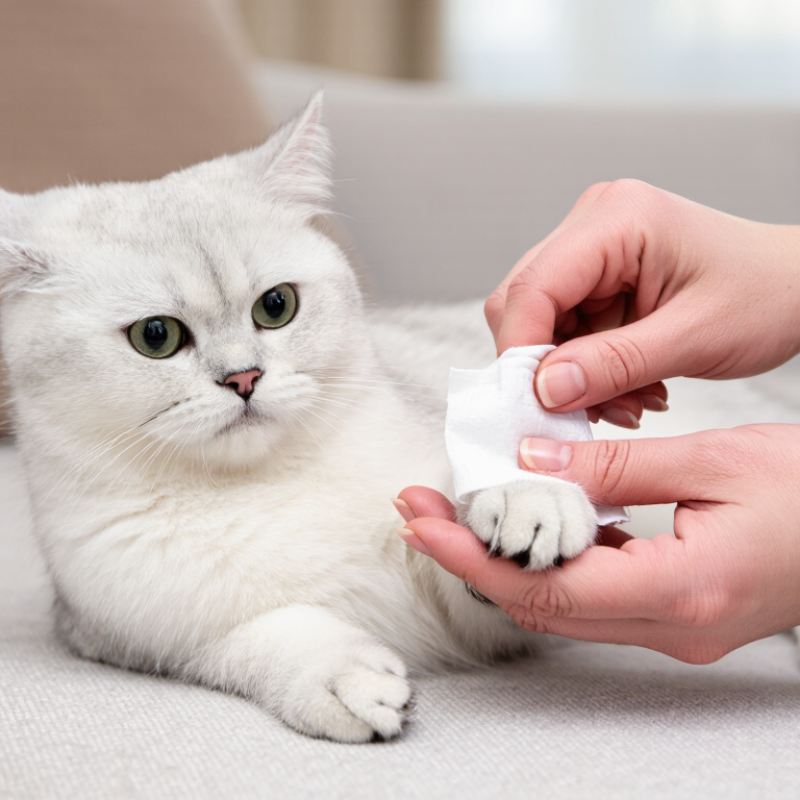
What Cat Antiseptic Wipes Are
Cat antiseptic wipes are soft, pre-moistened pads made for cleaning a cat’s skin, paws, and fur. They usually contain mild cleansing or antiseptic ingredients designed for feline use. Their purpose is to remove surface dirt, dried discharge, and some bacteria from small, shallow skin areas.
They can help clean a minor scrape, a dirty paw, or skin around the mouth after eating. Some cats also need gentle cleaning around skin folds or irritated areas.
Wipes are not a treatment for deep wounds, severe rashes, abscesses, or persistent bleeding. A veterinarian should examine those problems.
The label matters because cats groom themselves and may swallow residue. Human disinfectant wipes can contain alcohol, strong fragrances, or other ingredients that may irritate feline skin. That mistake is easy to make.
Tips: Choose fragrance-free wipes made specifically for cats. Check the ingredients before use. Gently wipe one small area, then observe the skin. Do not scrub. Avoid the eyes, inside the ears, and open wounds unless a veterinary professional recommends it. Let the area dry before grooming, when possible. Stop if your cat shows pain, redness, swelling, or repeated licking. I would also avoid assuming that “antiseptic” means harmless in every situation. Even a suitable wipe can cause trouble if used too often or on sensitive skin.
Common Uses for Cat Antiseptic Wipes
Cat antiseptic wipes are mainly used for gentle, external cleaning. They can remove dirt, dried discharge, and surface bacteria from small scratches. They may also help clean paws after outdoor walks. Some owners use them around skin folds or minor irritation. Be careful there.
The American Pet Products Association’s 2023–2024 National Pet Owners Survey estimates that 46.5 million U.S. households own cats. That large population creates steady demand for simple home-care products. Veterinary guidance still matters. Wipes should suit feline skin and avoid harsh alcohols, strong fragrances, and unsafe essential oils.
Never use them inside the eyes, mouth, or deep wounds. Cats groom constantly, so residue may be swallowed. A veterinary professional should assess punctures, swelling, bleeding, heat, or pus.
Wipes can also support hygiene after a veterinarian-approved procedure. Follow the clinic’s instructions exactly. Do not scrub stitches. Do not replace prescribed treatment. I have seen owners wipe repeatedly because redness looks worrying, but friction can delay healing. More cleaning is not always better.
Check the active ingredient and expiry date before use. The American Animal Hospital Association emphasizes veterinary assessment for wounds that may require pain control, drainage, or antibiotics. A wipe cannot provide that care.
Sources: American Pet Products Association, 2023–2024 National Pet Owners Survey; American Animal Hospital Association, companion-animal wound-care guidance.
Skin Conditions Wipes May Help Manage
What Are Cat Antiseptic Wipes Used For?
Cat antiseptic wipes may help manage minor skin concerns when used carefully. They can remove dirt, dried discharge, and surface bacteria from small, uncomplicated areas. Some owners use them around irritated paws, shallow scratches, or mild skin-fold redness. Wipes may also support cleaning around feline acne on the chin, but they cannot replace proper treatment.
The skin should look mildly irritated, not deeply damaged. Avoid wiping punctures, burns, bleeding wounds, or areas with heavy swelling. Ringworm, severe dermatitis, and infected hot spots need veterinary assessment. These conditions may worsen without targeted medicine.
A cat may lick the area after cleaning, so avoid products containing alcohol, strong fragrances, peroxide, or essential oils. Keep wipes away from the eyes, nose, mouth, and inner ears. It is easy to overestimate what a wipe can do. Cleaning is supportive care, not a diagnosis.
Tips: Choose wipes made specifically for cats. Check the ingredient list before use. Test a small patch first. Use one gentle pass, then allow the skin to dry. Stop if your cat shows pain, redness, or excessive licking. Wash your hands afterward, especially when treating a suspected contagious skin problem. If irritation lasts more than a day or two, or the area becomes warm, swollen, or smelly, contact a veterinarian.
How to Use Antiseptic Wipes Safely on Cats
What Are Cat Antiseptic Wipes Used For?
Cat antiseptic wipes can clean minor surface dirt, small scratches, and irritated skin around the paws. They may also help remove discharge from fur near a wound. However, they are not suitable for every skin problem. A deep cut, bite, burn, heavy bleeding, or swollen area needs veterinary attention.
How to Use Antiseptic Wipes Safely on Cats
Wash your hands before handling the cat. Choose wipes made specifically for cats, and check the ingredients carefully. Avoid products containing alcohol, hydrogen peroxide, strong fragrances, phenols, or essential oils. These substances may irritate skin or cause harm if licked.
Keep your cat calm in a quiet room. Gently separate the fur and inspect the area first. Do not wipe if a foreign object is embedded. Use one fresh wipe, and move outward from the cleanest area. Never scrub hard. Avoid the eyes, mouth, nose, inner ears, and genital area unless a veterinarian gives clear instructions.
Let the skin air-dry. Stop if your cat shows pain, intense licking, redness, or swelling. A protective collar may help, but only when appropriate and safely fitted. One detail people often overlook is repeated cleaning. Too much wiping can delay healing by irritating fragile skin.
Antiseptic wipes should not replace proper wound care. If the area smells bad, produces pus, or fails to improve within a day, contact a veterinarian. Some cats hide discomfort remarkably well. A quiet cat is not always a comfortable cat.
What Are Cat Antiseptic Wipes Used For?
Antiseptic wipes may help clean external skin and paws when the product is specifically labeled for cats. They should not be used on the eyes, inside the mouth or ears, or on deep wounds unless a veterinarian instructs you to do so.
How to use them safely: Check the label, gently wipe only the affected external area, avoid the eyes and mucous membranes, prevent licking until the area is dry, and stop if irritation occurs. Seek veterinary care for deep wounds, heavy bleeding, swelling, pus, worsening redness or persistent pain.