
Top 10 Plastic Vacuum Bottle Manufacturers in China
Selecting a Plastic Vacuum Bottle manufacturer in China takes more than comparing product photos and quoted prices. Buyers need to understand how each supplier handles bottle construction, materials, customization, and production consistency. Small details matter: lid fit, surface finish, dimensions, and how clearly specifications are documented.
This overview introduces ten manufacturers for buyers exploring plastic vacuum bottle sourcing. Company profiles can help narrow the field, but they are a starting point, not proof of performance. Capabilities vary by factory, product line, and order requirements. A supplier may offer attractive designs while having limited experience with a particular bottle structure. That distinction is easy to miss.
Look for specific evidence before making a decision. Request samples, product specifications, and information about inspection procedures. Ask how the supplier manages design changes and communicates production timelines. Compare the sample in your hand with the details in the quotation. Not every answer will be clear at first. That is worth noticing. A careful review can reveal gaps before they become costly surprises. The manufacturers below provide a practical starting list, while independent checks remain important for each buyer’s needs.
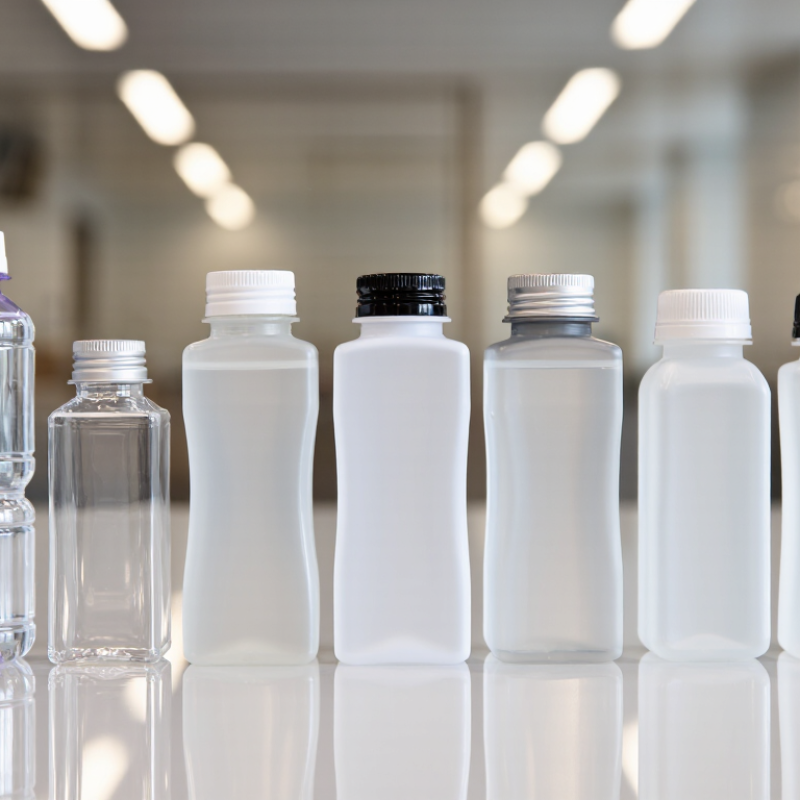
Understanding Plastic Vacuum Bottles and Their Main Applications
Understanding Plastic Vacuum Bottles and Their Main Applications
A plastic vacuum bottle is designed to slow heat transfer, usually with an evacuated space between its inner and outer walls. The plastic exterior can make the bottle lighter and easier to grip than many metal-bodied models. Some designs use a separate liner, so buyers should check the materials rather than assume every layer is plastic. The vacuum gap does most of the insulating work. The lid matters, too: a loose seal can let heat escape quickly.
These bottles suit daily routines where weight and impact resistance matter. People use them for water at school, drinks during commutes, and cold beverages on short outdoor trips. Models with a food-grade inner surface may also hold warm drinks, but performance varies with wall design, lid quality, and fill volume. A half-full bottle may lose heat faster than a full one. That detail is easy to miss. Plastic exteriors can scratch or discolor, and not every bottle is intended for hot liquids.
Tips: Check the manufacturer’s temperature guidance before pouring in hot drinks. Pre-fill with warm or cold water for a few minutes to help stabilize the drink’s temperature. Inspect the cap seal and clean narrow openings regularly; residue can hide beneath the gasket. If the bottle develops cracks or persistent odors, replace it rather than guessing.
Top 10 Plastic Vacuum Bottle Manufacturers in China - Understanding Plastic Vacuum Bottles and Their Main Applications
This table compares common vacuum-insulated bottle formats and applications, rather than ranking or naming manufacturers. “Plastic vacuum bottle” commonly describes a vacuum-insulated vessel with plastic components or an outer shell; the vacuum chamber itself is typically formed by double-wall stainless steel or glass, not ordinary plastic. Capacity ranges below are representative market sizes, not fixed specifications.
| Product Format | Typical Construction | Representative Capacity | Main Applications | Key Design Considerations |
|---|---|---|---|---|
| Everyday water bottle | Double-wall vacuum-insulated stainless-steel vessel with a plastic lid or exterior components | 350–750 ml | Commuting, school, office use, and general hydration | Leak-resistant closure, comfortable grip, easy cleaning, and a mouth opening suited to drinking or adding ice |
| Travel tumbler | Vacuum-insulated body with a plastic lid, often designed to fit common vehicle cup holders | 350–700 ml | Car commutes, public transport, and desk use | Secure lid, cup-holder compatibility, manageable one-hand use, and spill resistance; not every lid is fully leakproof |
| Sports and active-use bottle | Insulated metal body with a plastic drinking lid or straw assembly | 500–1,000 ml | Walking, outdoor recreation, gym sessions, and day trips | Carry loop, easy-access drinking opening, durable lid parts, and a shape that is practical to carry |
| Wide-mouth bottle | Double-wall vacuum vessel with a broad opening and a plastic screw cap or lid | 500–1,200 ml | Outdoor activities, adding ice, and carrying thicker drinks | Opening size, gasket fit, cleaning access, and a cap that closes securely during transport |
| Food jar | Vacuum-insulated stainless-steel interior with a wide opening and plastic lid components | 300–750 ml | Lunches, soups, and other foods intended for portable storage | Wide-mouth access, food-contact suitability, leak-resistant sealing, and thorough cleaning of lid grooves |
| Compact personal bottle | Small vacuum-insulated vessel with a plastic cap or drinking top | 200–400 ml | Short trips, small bags, and portion-sized drinks | Low weight, compact dimensions, reliable closure, and a cap that is easy to open and clean |
| Large-capacity hydration bottle | Large double-wall insulated body with plastic carry or drinking components | 1,000–1,900 ml | Long outings, work sites, and situations where refilling is less convenient | Filled weight, carrying comfort, bottle stability, and practical access for washing and drying |
| Infuser bottle | Vacuum-insulated body with a removable plastic or stainless-steel infuser basket | 400–800 ml | Loose-leaf tea, fruit-infused water, and similar beverages | Infuser removal, mesh or perforation design, resistance to staining, and cleaning of small parts |
| Straw-lid bottle | Vacuum-insulated body paired with a plastic lid and drinking straw | 500–1,000 ml | Desk hydration, travel, and settings where sipping without tilting is useful | Straw and valve cleaning, replacement-part availability, and keeping the lid upright to reduce spill risk |
| Glass-lined vacuum flask with plastic fittings | Vacuum space between glass inner and outer walls, with a plastic stopper, cap, or handle | 500–2,000 ml | Home, office, and table service for hot or cold beverages | Glass can break if dropped; check care instructions, stopper fit, and whether the product is intended for portable use |