
What Is a Pressure Cooker Knob and How Does It Work?
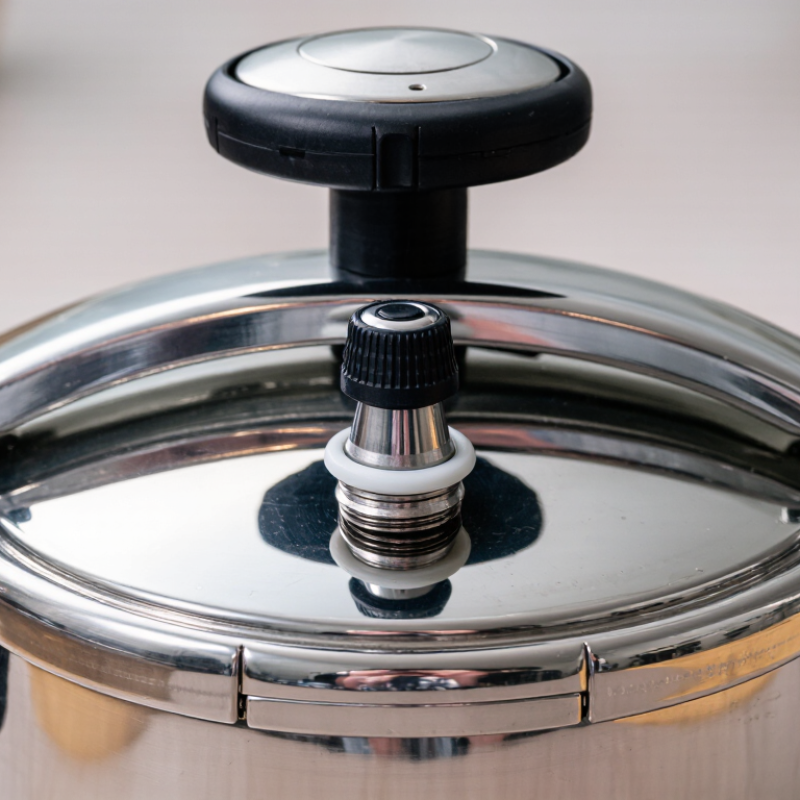
A pressure cooker knob may look like a small plastic handle, but it controls an important part of the cooking system. It usually sits above the steam-release valve and helps regulate pressure inside the sealed pot. As water heats, it becomes steam and raises internal pressure. The knob, weight, or selector then allows controlled steam release, helping the cooker maintain its designed pressure level.
Small part. Big responsibility.
Different cooker models use different knob designs. Some have a weighted regulator, while others use a spring-loaded selector with marked settings. These components are not always interchangeable. A loose knob may release steam too early, while a blocked vent can prevent normal pressure control. Reliable manufacturers provide model-specific instructions, and those instructions should take priority over general advice.
Understanding the pressure cooker knob also requires attention to materials and condition. Heat-resistant plastic can become brittle. Silicone seals may harden, crack, or lose flexibility. During routine cleaning, users should check for food particles around the vent and confirm that the knob moves as intended. Do not force it.
The mechanism is simple, but not effortless to understand. A visual inspection cannot reveal every internal fault. Even experienced cooks can overlook gradual wear. For that reason, unusual hissing, persistent steam, or pressure that fails to build deserves careful attention. Replacing a damaged component with an approved part is safer than improvising. This guide explains how the knob works, what its settings mean, and which warning signs should not be ignored.
Pressure Cooker Knob Basics: Roles, Types, and Key Components
A pressure cooker knob is more than a handle. It controls pressure release, supports safe handling, and communicates cooking status. Most knobs connect to a spring-loaded regulator, a pressure indicator, or both. When steam builds, the regulator moves or rocks at a designed pressure level.
Pressure cooker knobs usually fall into three types: weighted regulators, spring regulators, and simple locking handles. Weighted regulators use steam force to maintain pressure. Spring regulators respond to internal pressure with finer control. Locking handles prevent the lid from opening while pressure remains inside. The National Center for Home Food Preservation identifies 10 to 15 pounds per square inch as common pressure-canning settings. At 15 psi, steam reaches roughly 121°C, or 250°F.
Key components include the knob body, regulator stem, sealing gasket, float valve, and overpressure release. The gasket blocks steam around the lid. The float valve rises when pressure increases. The emergency release provides a backup path if the main regulator becomes blocked. USDA food-safety guidance stresses following tested pressure and timing instructions, because visual boiling cannot confirm safe processing.
A practical check matters. The knob should move as designed, not wobble loosely. I still find the small vent opening easy to overlook. Food residue can obstruct it. The design is simple, but maintenance is not. Some manuals also use confusing terms, which can cause mistakes during inspection.
What Is a Pressure Cooker Knob and How Does It Work? - Pressure Cooker Knob Basics: Roles, Types, and Key Components
| Item or Dimension | Description | How It Works | Common Variations | Key Safety or Maintenance Point |
|---|---|---|---|---|
| Pressure Cooker Knob | A handle, selector, or top-mounted control used to operate or monitor the cooker’s lid and pressure system. | Depending on the design, it may help lock the lid, select a pressure setting, display pressure, or release steam. | Pressure regulator, steam-release knob, pressure indicator, or lid-locking handle. | The exact function varies by cooker design; the user manual should be followed before operation. |
| Pressure Regulator | A removable weight, spring-loaded control, or valve assembly that helps control cooking pressure. | When pressure reaches the selected level, the regulator limits or vents excess steam to maintain a controlled pressure range. | Weighted regulator, spring valve, or electronically controlled pressure valve. | Keep the regulator and its vent path clean and unobstructed. |
| Steam-Release Knob or Valve | A control that allows the operator to release pressurized steam from the cooking chamber. | Turning or moving the control opens a steam pathway, reducing internal pressure after cooking. | Manual release, controlled-release, or automatic-release mechanism. | Never place hands or face directly over the steam outlet; use a utensil or protected control area when required. |
| Pressure Indicator | A pin, rod, float, gauge, or display that shows whether pressure exists inside the cooker. | Internal pressure moves a mechanical indicator or is detected by an electronic sensor. | Pop-up indicator, dial gauge, colored marker, or digital pressure display. | Do not force the lid open while the indicator shows that the cooker is pressurized. |
| Lid-Locking Mechanism | The handle, latch, or interlocking structure that keeps the lid secured to the cooker body. | The mechanism engages when the lid is correctly positioned and prevents normal opening while pressure remains inside. | Sliding lock, twist-lock handle, bayonet-style lock, or electrically controlled lock. | Check that the lid is fully aligned and locked before starting a pressure cycle. |
| Gasket or Sealing Ring | A flexible ring fitted around the lid to form a pressure-resistant seal. | As the lid closes, the gasket contacts the rim and prevents steam from escaping around the lid. | Silicone or other heat-resistant elastomer; removable or integrated designs. | Inspect for cracks, hardening, deformation, or persistent odor and replace when damaged or worn. |
| Vent Pipe or Steam Channel | The passage through which steam moves from the cooking chamber to the regulator or release valve. | Steam travels through the channel, allowing the regulator or valve to control pressure. | Straight vent tube, integrated valve channel, or multi-part steam assembly. | Food particles can obstruct the vent, so it should be checked and cleaned according to the instructions. |
| Overpressure Protection | A backup safety feature designed to reduce pressure if the primary control does not operate normally. | A secondary valve, plug, or programmed safety function may activate when pressure exceeds a specified limit. | Spring-loaded safety valve, fusible plug, backup vent, or electronic fault protection. | Do not block, remove, or modify any safety device. |
| Typical Materials | Materials are selected for heat resistance, durability, insulation, and compatibility with food-contact areas. | The knob or handle may use heat-resistant polymer, while internal components may use stainless steel or other corrosion-resistant metals. | Heat-resistant plastic, silicone, stainless steel, aluminum alloys, or combinations of these materials. | Replace parts that are melted, cracked, corroded, loose, or no longer heat-resistant. |
| Basic Operating Sequence | The general process from sealing the cooker to releasing pressure. | The lid seals, heat creates steam, pressure rises, the regulator controls pressure, and the release valve lowers pressure after cooking. | Stovetop manual control or electric automatic control. | Use the recommended liquid amount and never fill beyond the cooker’s marked maximum level. |
| Common Signs of a Problem | Symptoms that may indicate a worn, blocked, damaged, or incorrectly fitted component. | Persistent steam leakage, failure to build pressure, an indicator that does not move, or a loose control may prevent normal operation. | Worn gasket, blocked vent, damaged knob, misaligned lid, or faulty valve. | Stop using the cooker if a safety component is damaged and inspect or replace parts before further use. |
Related Posts
-
Where to Buy Fagor Pressure Cooker Parts Worldwide?
-
What Are Fagor Pressure Cooker Parts and Where to Buy?
-

7 Best Multi Cookers Without Pressure: Elevate Your Cooking Game Today!
-
Why Are Pressure Pot Parts Essential for Efficient Operations?
-
2026 Top Replacement Pressure Cooker Parts You Need to Know?
-
Global Procurement Insights Chinese Excellence in Pressure Cooker Parts Manufacturing