7 Essential Tips for Choosing Pressure Cooker Parts That Improve Cooking Efficiency
In the ever-evolving world of culinary technology, pressure cookers have carved a niche for themselves as indispensable kitchen appliances. According to a report by Allied Market Research, the global pressure cooker market was valued at over $1.5 billion in 2020 and is projected to reach more than $3 billion by 2025, driven by an increasing demand for efficient cooking solutions. This growth underscores the importance of not only selecting the right pressure cooker but also choosing the appropriate pressure cooker parts that enhance cooking efficiency and safety.
When it comes to optimizing your pressure cooking experience, understanding the integral role of pressure cooker parts is essential. Each component, from lids to valves, directly impacts the performance and functionality of the cooker. For instance, the pressure release valve is crucial for maintaining the correct pressure levels, while a high-quality gasket ensures a perfect seal, preventing any steam loss that can lead to longer cooking times. As such, selecting the optimal parts can significantly enhance your culinary results, ensuring quicker meals and saving energy in the process.
As we delve into the seven essential tips for choosing pressure cooker parts that boost cooking efficiency, we will explore how informed decisions can lead to better cooking outcomes. By focusing on the quality and compatibility of these parts, consumers can maximize their investment in pressure cooking technology and experience the full benefits of this time-saving appliance.
Understanding Different Types of Pressure Cooker Parts and Their Functions
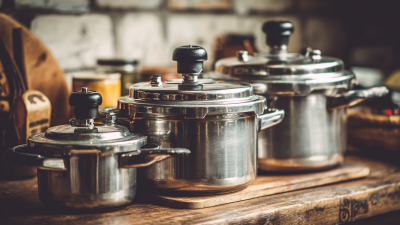
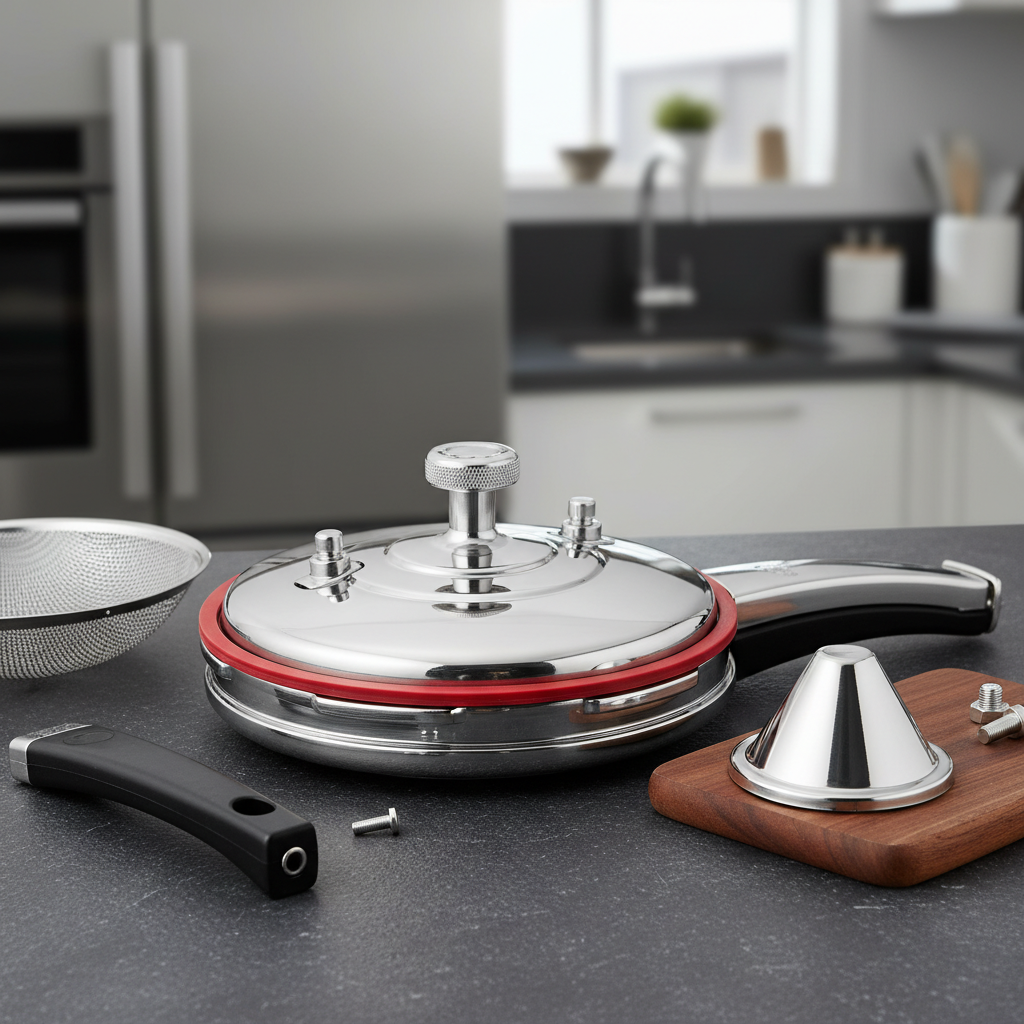
When selecting pressure cooker parts, understanding their functions is crucial for enhancing cooking efficiency. The main components include the lid, gasket, safety valves, and cooking pot. The lid, which must create a secure seal, is essential for maintaining pressure, while the gasket ensures that steam does not escape. If the gasket is worn or damaged, you may face issues during cooking, leading to longer cooking times.
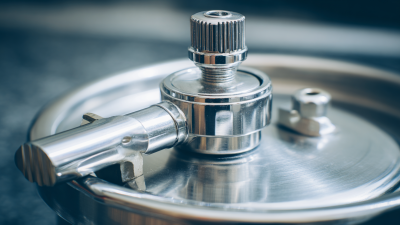
Additionally, safety valves are critical for controlling and releasing excess pressure, ensuring your cooking experience is safe and efficient. Consider investing in high-quality replacement parts to maintain consistent performance.
Tip: Always verify that the parts you choose are compatible with your specific pressure cooker model. Using mismatched components can lead to reduced efficiency or even accidents in the kitchen. Another helpful tip is to keep your cooking pot clean and free from residue, as this will help retain heat and pressure, ultimately speeding up your cooking process. Selecting the right parts not only optimizes performance but also extends the lifespan of your pressure cooker.
7 Essential Tips for Choosing Pressure Cooker Parts That Improve Cooking Efficiency
| Part Type |
Function |
Material |
Compatibility |
Efficiency Improvement |
| Lid |
Seals the cooker and maintains pressure |
Stainless Steel |
All standard pressure cookers |
Improves heat retention |
| Gasket |
Ensures airtight seal for pressure cooking |
Silicone |
Compatible with various models |
Reduces steam loss |
| Pressure Regulator |
Controls pressure levels during cooking |
Brass or Stainless Steel |
Universal for many cookers |
Maintains optimal cooking pressure |
| Safety Valve |
Releases excess pressure to prevent accidents |
Stainless Steel |
Most pressure cookers |
Enhances user safety |
| Cooking Pot |
Holds food and liquid for cooking |
Aluminum or Stainless Steel |
Varies by model |
Affects heat distribution |
| Steam Release Valve |
Allows controlled steam release |
Plastic or Metal |
Compatible with multiple designs |
Prevents overcooking |
| Handle |
Provides safe and comfortable grip |
Plastic or Rubber |
Most pressure cookers |
Enhances usability and safety |
Evaluating Material Quality for Enhanced Durability and Cooking Performance
When selecting pressure cooker parts, one of the paramount considerations is the quality of materials used in their construction. High-quality materials, such as stainless steel or aluminum, not only ensure durability but also contribute significantly to the cooking performance. Stainless steel is known for its corrosion resistance and ability to endure high temperatures, making it an ideal choice for inner pots. On the other hand, aluminum is lightweight and conducts heat efficiently, allowing for faster cooking times when incorporated into various components.
Another material to consider is silicone, which is often used for seals and gaskets. High-grade silicone can withstand extreme heat and maintain its flexibility over time, preventing leaks and ensuring a secure pressure seal. It's crucial to evaluate the quality of these materials, as using subpar options can lead to safety hazards and diminished cooking efficiency. Ultimately, investing in components made from superior materials not only enhances the longevity of your pressure cooker but also elevates your overall cooking experience.
Material Quality Impact on Cooking Efficiency
Selecting the Right Seal and Gasket for Optimal Pressure Control
When it comes to optimizing cooking efficiency in your pressure cooker, selecting the right seal and gasket is crucial. These components play a fundamental role in maintaining optimal pressure control, which in turn directly influences the cooking times and flavors of your dishes. According to a report by the Appliances Manufacturers Association, proper pressure sealing can reduce cooking times by approximately 30%, allowing you to enjoy home-cooked meals faster without compromising quality.
Tip 1: Always check compatibility. When replacing seals and gaskets, ensure that they are specifically designed for your pressure cooker model. An ill-fitting gasket can lead to pressure loss and longer cooking times, undermining the efficiency you aim to achieve in the kitchen.
Tip 2: Opt for higher-quality materials. Silicone gaskets tend to provide better durability and longevity compared to lower-grade rubber options. Studies show that high-quality silicone can maintain integrity under heat, offering a more reliable seal. This not only helps in maintaining the right pressure but also enhances safety during the cooking process.
Tip 3: Regularly inspect and replace seals. Industry experts recommend checking the condition of your pressure cooker’s gasket every 6-12 months. Small cracks or deformities can significantly affect performance, leading to potential issues during cooking. By staying proactive, you ensure that your pressure cooker operates at peak efficiency.
Identifying Essential Accessories That Boost Cooking Versatility
When it comes to maximizing the versatility of your pressure cooker,
selecting the right accessories is crucial.
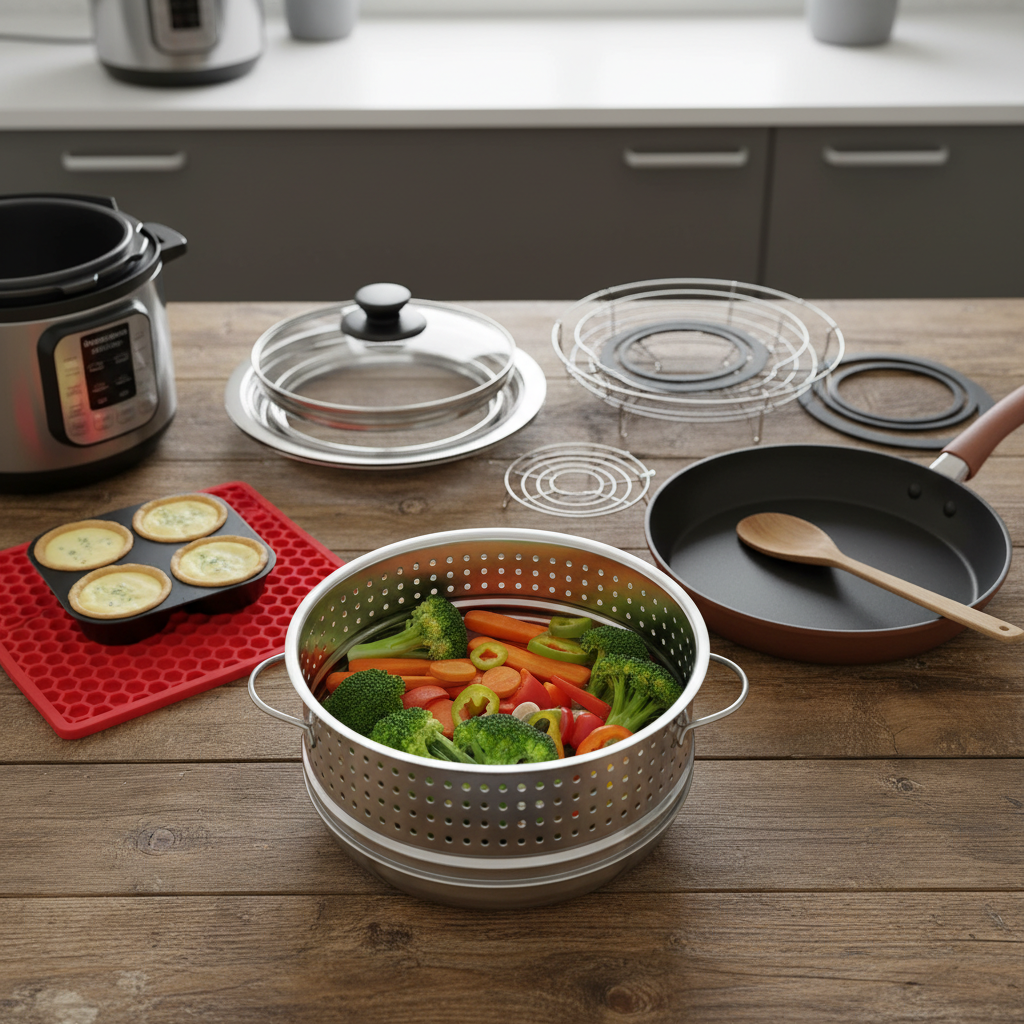
Various attachments can expand the cooking capabilities of your appliance, offering options for steaming, sautéing, and even baking.
A steaming basket, for instance, can perfectly cook vegetables while retaining their nutrients and flavor.
Additionally, a silicone trivet allows for multi-level cooking, enabling you to prepare various dishes simultaneously, making meal prep faster and more efficient.
Equally important is the consideration of compatible lids and sealing rings.
Opting for a quick-release lid can enhance your cooking experience by allowing for easy access to your food without the hassle of pressure buildup.
Moreover, having an extra sealing ring on hand for distinct flavors can prevent cross-contamination and maintain the integrity of delicate dishes.
By thoughtfully choosing these essential accessories, you can elevate your pressure cooking game and enjoy a wider array of culinary creations with ease.
Recognizing Compatibility for Seamless Replacement and Upgrades
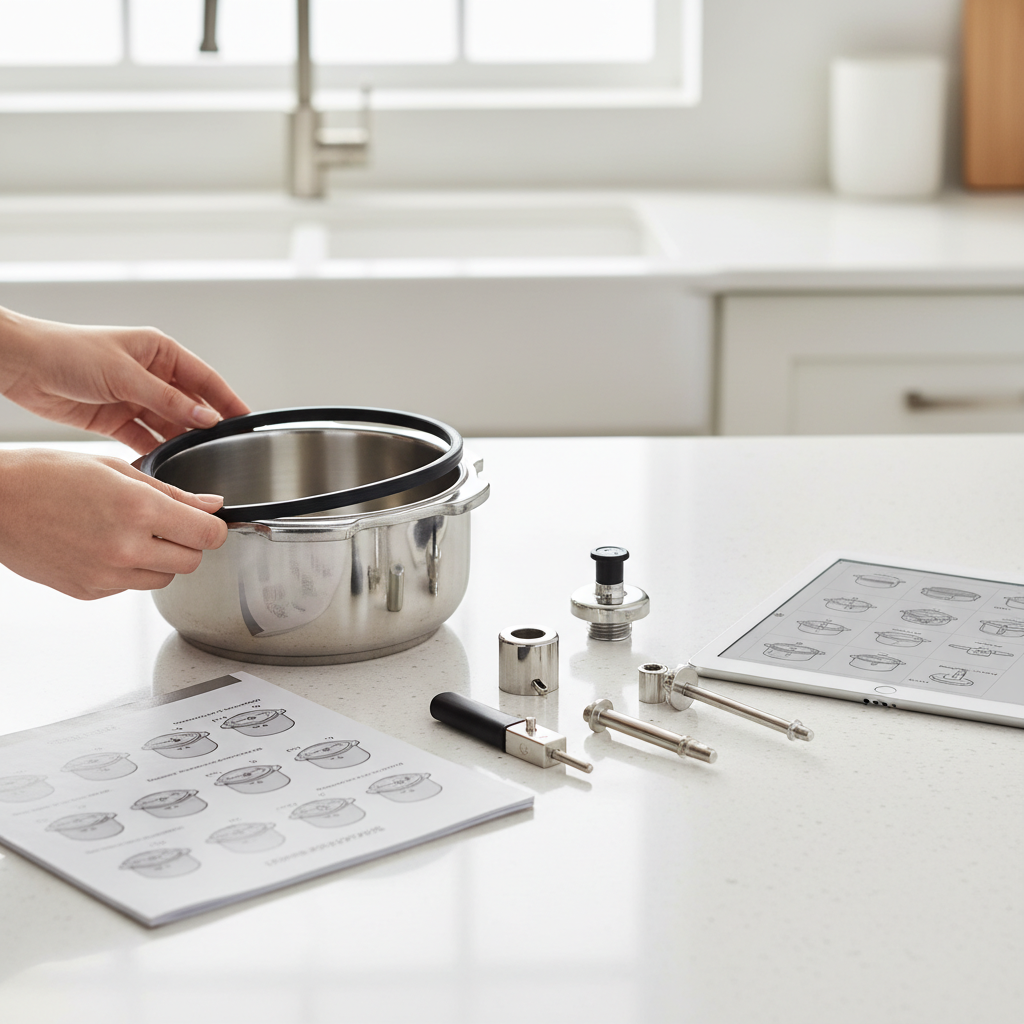
When it comes to enhancing the efficiency of your pressure cooker, recognizing
compatibility among parts is crucial. Many home cooks overlook the importance of ensuring that replacement
components are not only of high quality but also designed to fit seamlessly with their specific model. This
compatibility is vital for achieving optimal cooking results and maintaining safety standards. Before
purchasing new parts, it’s essential to refer to your pressure cooker’s manual and consult the manufacturer’s
recommendations to avoid mismatches that can lead to inefficiency or, worse,
safety hazards.
Additionally, considering upgrades can significantly boost your cooking performance. For instance,
replacing a standard gasket with a high-temperature silicone version can improve
sealing and cooking times. Similarly, investing in a metal steam basket rather than a plastic one can enhance
durability and efficiency. By focusing on compatibility and informed upgrades, you can transform your pressure
cooking experience, leading to faster meal preparation and improved flavor retention. Always keep in mind that
not all parts are created equal, and understanding the specifications of your cooker will pave the way for
smoother, more efficient cooking adventures.