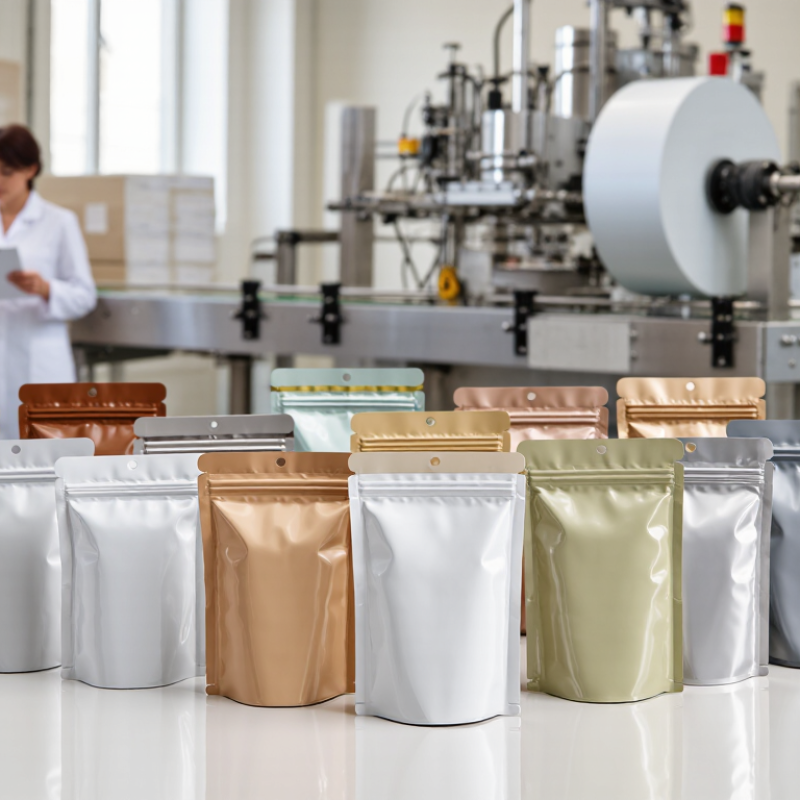
How to Choose the Best Flat Bottom Pouch Supplier?

Choosing a Flat Bottom Pouch supplier is a product decision, not just a price comparison. The pouch must stand upright, protect its contents, and run smoothly on your filling line. A gusset that opens unevenly or a weak seal can turn a polished package into a costly headache. Small details matter.

The market is substantial. The Flexible Packaging Association’s 2023 State of the U.S. Flexible Packaging Industry report estimated U.S. sales at $42.9 billion in 2022. That scale offers buyers many options, but it also makes supplier claims harder to compare. The OECD’s Global Plastics Outlook reported that plastic packaging generated about 40% of global plastic waste in 2019. This figure does not settle which material is best, but it makes clear why material choices and end-of-life claims deserve scrutiny.

Ask suppliers for evidence, not just attractive samples. Compare film structure, barrier performance, seal strength, print consistency, and compatibility with your filling equipment. Request current technical specifications and test records, then check whether the supplier can reproduce results across production runs. Sustainability statements need the same care: ask what they mean and what documentation supports them. A low quote can look convincing. It is not enough. Even experienced buyers may focus too heavily on unit price; that is an easy mistake to make. The right supplier should explain trade-offs clearly, respond reliably, and help you test the pouch under real conditions. This guide outlines how to judge those factors before committing.

How to Choose the Best Flat Bottom Pouch Supplier?

What Is a Flat Bottom Pouch and What Should It Protect?

A flat bottom pouch is a flexible package with a broad, stable base and side gussets. It can stand upright on a shelf while offering space for filling and storage. Its layered film may help protect contents from moisture, oxygen, light, odors, or handling damage. The exact protection depends on the material structure and seals, not the pouch shape alone. It is a useful distinction.

Protection needs vary by product. Dry powders may need a strong moisture barrier, while aroma-sensitive foods may need better oxygen and odor control. Products exposed to bright display lighting may also require light-blocking layers. A zipper helps with repeated opening, but it does not replace a reliable heat seal. Check seal strength, film thickness, and barrier test data against real storage conditions. A pouch that looks sturdy may still fall short.

Tips: Ask a supplier which tests support its barrier claims. Request samples, then check filling, sealing, and shelf stability with your product. I would not choose by appearance alone; that shortcut is tempting, but packaging needs can be easy to underestimate.

Which Supplier Capabilities Fit Your Product and Market?

A flat bottom pouch supplier should match the way your product is packed, stored, and sold. Ask what barrier materials are available, and request details on how they protect against moisture, oxygen, light, or aroma loss. The right combination depends on the product; a dry snack and a powdered mix may need different film structures. Ask for samples. Check the pouch seams, zipper, and base after filling, not only when it is empty. A pouch that stands neatly on a desk can behave differently on a fast filling line.

Production capability matters just as much. Confirm whether the supplier can make your required dimensions, print clear small text, and maintain consistent color across repeat orders. Ask about minimum order quantities, sample timelines, and realistic production lead times. Then compare those answers with your sales forecast and launch schedule. A supplier may offer many options, but that does not mean every option fits your budget or equipment. I would test a small run before committing to a large one. It takes time. Still, skipping that step can leave you with pouches that wrinkle, seal poorly, or do not fit your retail shelf. Ask for material specifications and test records, while remembering that your own product and filling conditions deserve a trial too.

How to Assess Materials, Printing, and Quality Standards?

A flat bottom pouch may look simple on a shelf, but its layers determine how well it protects the product. Ask the supplier for a material breakdown, not just a film name. PET can support print clarity, while polyethylene often helps form reliable seals. Foil or barrier coatings may reduce exposure to light, oxygen, or moisture. The right structure depends on the product, filling process, and storage conditions. Small details matter.

Request samples made with the proposed materials. Fill them with your actual product, then check seal strength, standing stability, and resistance to scuffing. For powders, inspect the corners for leakage. For products sensitive to moisture, ask for relevant barrier-test results. Printed samples should be checked under consistent lighting, since colors on a screen can look misleading. A specification sheet is useful, but it cannot replace hands-on testing.

Review the supplier’s quality controls, including incoming-material checks, print registration, seal inspection, and batch traceability. Ask which test methods and acceptance limits they use, and request records from a recent production run. If the pouch will contact food, confirm that material documentation matches the intended product and sales market. A polished sample can hide production variation. I would not approve a large order from appearance alone; pilot runs can reveal issues that a checklist misses.

How to Choose the Best Flat Bottom Pouch Supplier? — How to Assess Materials, Printing, and Quality Standards?

Assessment Area What to Check Practical Evaluation Criteria Evidence to Request from the Supplier
Product and application fit Product type, filling method, storage conditions, shelf-life needs, and distribution environment. Confirm whether the pouch is intended for dry, oily, moist, or oxygen- or light-sensitive products. Account for filling temperature, transport, and expected storage conditions. A written product specification covering intended use, filling conditions, storage conditions, and required barrier properties.
Film structure Layer materials and the function of each layer, such as print surface, barrier layer, and heat-seal layer. Common structures may use PET, BOPP, PE, or polypropylene-based films. Metallized film or aluminum foil can provide stronger light and gas barriers, but material selection should match the product and recycling requirements. Layer-by-layer structure, material names, nominal thicknesses, and confirmation that the proposed structure is suitable for the intended product.
Barrier performance Oxygen transmission rate (OTR), water vapor transmission rate (WVTR), and light protection where relevant. Ask for measured results and test conditions. Lower OTR or WVTR indicates lower transmission under the stated test conditions; results cannot be compared reliably when temperature, humidity, or test methods differ. Test reports identifying the method, test conditions, sample structure, and measured result. ASTM D3985 is commonly used for oxygen transmission, and ASTM F1249 for water vapor transmission through flexible barrier materials.
Pouch construction Flat-bottom base, side gussets, seal layout, zipper, tear notch, valve, and hanging or carrying features if needed. Check that the pouch stands upright when filled and that the base and seals suit the product weight and packing line. Confirm that closures and optional features do not interfere with sealing or filling. Dimensioned drawings, samples in the intended size, and filled-pouch trials using the customer’s product or a suitable test material.
Thickness and consistency Total film thickness and variation across material rolls or production batches. Set the required thickness in the product specification rather than relying on a general description such as “heavy-duty.” Check that the proposed thickness supports handling, sealing, and the pouch’s intended load. Nominal thickness and tolerance, measurement method, and inspection records for production batches.
Printing capability Printing process, artwork reproduction, color requirements, registration, and print durability. Flexographic and gravure printing are common for flexible packaging; digital printing may suit shorter runs or variable artwork. Approve a physical proof and define color expectations before production. Printed samples, color proofing procedure, artwork and plate or cylinder requirements, and documented checks for registration and print defects.
Ink and surface performance Ink suitability for the packaging structure, rub resistance, adhesion, and any applicable migration requirements. For food packaging, assess the complete packaging construction and intended conditions of use. Printing on the outside does not by itself establish that the package complies with food-contact requirements. Ink and material declarations, applicable migration or compliance documentation, and test results for print adhesion or rub resistance when required.
Seal integrity Seal strength, seal consistency, channels, wrinkles, contamination, and leakage. Evaluate samples made on the intended filling or sealing equipment. Agree on acceptance criteria for seal width, appearance, and performance; no single seal-strength value is suitable for every pouch design. Seal-test method and results. ASTM F88/F88M is commonly used to measure seal strength; leakage or channel testing should use a method appropriate to the package and application.
Food-contact and regulatory documentation Compliance for the sales market, product type, and intended conditions of use. Requirements depend on destination and application. In the United States, relevant FDA food-contact regulations may apply; in the European Union, Regulation (EC) No 1935/2004 and, for plastic materials, Regulation (EU) No 10/2011 are relevant frameworks. Current declarations of compliance and supporting documentation that identify the applicable market, materials, limitations, and intended conditions of use.
Quality management Documented controls for incoming materials, production, inspection, traceability, and corrective action. Look for a consistent process for managing specifications, nonconforming product, changes, and complaints. ISO 9001 certification can indicate a quality-management system, but it does not by itself certify a pouch for a particular use. Quality-system certificate if applicable, audit information, inspection plan, traceability procedure, and examples of corrective-action handling.
Production controls Checks during printing, lamination, pouch conversion, and final packing. Ask how the supplier controls dimensions, print defects, lamination quality, seals, closures, and finished-pouch appearance. Inspection frequency and acceptance limits should be agreed before production. Documented quality-control plan, sample inspection records, defect classification, and agreed sampling or acceptance criteria.
Sampling and approval Pre-production samples, artwork approval, and confirmation of the final production specification. Review a sample that matches the intended material structure, size, printing, and features. Approve any changes to artwork or materials in writing before manufacturing. Signed specification, approved artwork or proof, retained reference sample, and a change-control process.
Supply reliability Lead time, minimum order quantity, production capacity, and continuity of material supply. Compare the quoted lead time and order quantity with forecast demand. Confirm how the supplier communicates delays and manages changes to materials or production schedules. Written quotation, production and delivery schedule, order terms, and named procedures for handling supply or specification changes.

Note: Requirements and test results are application-specific. Confirm the final pouch specification, applicable regulations, test methods, and acceptance limits with qualified packaging and regulatory specialists before placing a production order.

How to Compare Pricing, Order Quantities, and Lead Times?

When comparing flat bottom pouch suppliers, request quotes against one specification: dimensions, film structure, thickness, zipper, valve, print coverage, and order volume. Otherwise, a lower unit price may hide a thinner barrier layer or extra setup charges. The Flexible Packaging Association’s 2023 State of the Flexible Packaging Industry report estimated U.S. industry sales at $42.9 billion in 2022. That scale does not guarantee a better quote; specifications and production capacity still matter.

Ask for prices at several order quantities, such as 5,000, 10,000, and 25,000 pouches. Compare the full landed cost, including cylinder or plate fees, freight, and any charges for artwork changes. Check whether the quoted minimum applies per design, size, or combined order. Small details matter. A mixed-size order may not qualify for the same price break. Request a sample or written specification before approving production, and compare the pouch’s usable volume and seal quality, not appearance alone.

Separate lead time into artwork approval, sample production, manufacturing, and shipping. Ask whether quoted days are calendar or business days, and get the start date in writing. A supplier may quote four weeks after approval, while proofing adds another week. That difference is easy to miss. Ask what happens if materials arrive late, and whether rush production changes the price. I would still leave a buffer; estimates can slip, especially when a design changes after approval.

How to Verify a Supplier Before Placing an Order?

Before choosing a flat bottom pouch supplier, check whether its claims match the product you need. Request a written specification covering pouch dimensions, material layers, thickness, closure type, printing method, and acceptable tolerances. Ask for a production sample, not just a digital mock-up. Measure its base, inspect the seals, and check whether it stands steadily when filled. A sample can disappoint. That is useful information.

Ask how quality is checked during production. A capable supplier should be able to explain inspection steps, identify who handles defects, and show relevant records or test results. If certificates are provided, verify their issuer, scope, and current validity rather than relying on a logo. You can also request a video call to view the equipment and discuss the proposed pouch design. Clear answers matter. Vague promises deserve follow-up.

Check references from buyers with similar packaging needs, and confirm that quoted lead times include sampling, approval, production, and shipping. Put specifications, artwork approval, payment milestones, and remedies for defects in the purchase order. Begin with a small trial order when practical, then compare delivered pouches against the approved sample. Even careful checks cannot remove every risk; a checklist is a filter, not a guarantee. Keep written records of changes, including small ones.

How to Choose the Best Flat Bottom Pouch Supplier?

A practical checklist for verifying a supplier before placing an order

Suggested buyer-defined evaluation weights, totaling 100 points—not industry survey data. Request documents and samples, verify specifications and production capability, and confirm terms before committing to an order.