
How to Choose the Best Cotton Bed Cover for Your Needs

Choosing a Cotton Bed Cover is not just a matter of color or thread count. The right option should suit your climate, washing routine, and preferred feel against the skin. Textile Exchange’s Materials Market Report 2024 estimates that global fiber production reached 124 million tonnes in 2023, with cotton accounting for about 19 percent. That scale makes cotton a familiar bedding material, but it does not guarantee that every cover feels soft, lasts well, or suits every sleeper.

Start with the details you can check. Read the fiber label, inspect the weave, and compare fabric weight where manufacturers provide it. Percale often feels crisp and airy; sateen usually feels smoother and drapes more closely. Neither is automatically better. A cover that feels cool in a showroom may behave differently after repeated washing, so care instructions deserve a close look. Small details matter.

Use industry figures as context, not as a buying verdict. Market-wide production data cannot tell you how a particular cover was made or how it will feel on your bed. I would also avoid treating thread count as a quality score on its own; fiber quality, construction, and finishing affect the result. It is an imperfect shortcut. This guide will help you weigh practical factors, spot claims worth checking, and choose a Cotton Bed Cover that fits your everyday needs.
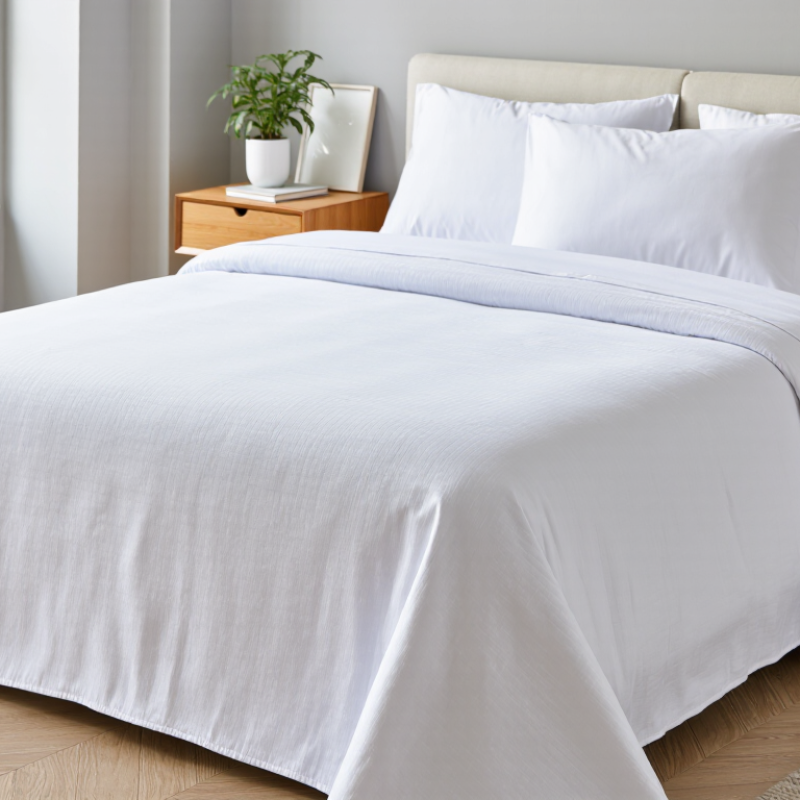
How to Choose the Best Cotton Bed Cover for Your Needs

Identify Your Bed Cover Needs and Sleeping Preferences

Before choosing a cotton bed cover, decide what job it needs to do. Will it replace a duvet on warm nights, protect bedding during the day, or add a light layer in winter? The answer affects the weight and size you need. Measure the mattress, including its depth, and check how far you want the cover to hang. A cover that looks generous in a product photo may barely reach the sides of a tall mattress.

Think about how you sleep, not just how the fabric feels in a shop. If you often wake warm, a lighter cotton weave may feel more comfortable than a dense, heavy cover. If you like a soft, close feel, look for a smoother finish; textured weaves can feel more substantial. Feel the fabric. Notice whether it feels crisp or soft, and remember that washing can change its texture. Check the care instructions before buying, since some cotton covers may shrink if washed or dried at high heat. It is easy to focus on color and overlook practical details like laundry space or drying time. There may not be one perfect choice, but matching the cover to your sleep habits and routine is a useful place to start.

Choose a Cotton Bed Cover to Match Your Sleeping Preferences

For moisture-conscious sleepers, fiber moisture regain offers a useful comparison. Cotton absorbs more moisture than polyester, while linen and wool have higher regain values. These are approximate conventional textile values, not a measure of how quickly a finished bed cover dries.

Approximate conventional moisture-regain values. Actual comfort and drying performance also depend on weave, fabric weight, finishes, and room conditions.

Compare Cotton Types, Weaves, and Fabric Weights

Cotton labels can be confusing. Upland cotton is common and practical; longer-staple cotton can spin smoother, stronger yarns, though the finished feel also depends on spinning and fabric construction. Organic describes how cotton is grown, not how soft a sheet will feel. Check the fiber description, then handle the fabric if possible. A crisp sample and a silky one may both be cotton.

Weave changes the feel against your skin. Percale uses a simple over-under structure and usually feels crisp and breathable, like a freshly pressed shirt. Sateen places more yarns across the surface, creating a smoother, slightly lustrous hand. Thread count alone is a poor shortcut: yarn size and weave affect the result. Textile Exchange’s Materials Market Report 2024 estimates global fiber production reached 124 million tonnes in 2023, a reminder that cotton is one choice among many—not a guarantee of quality.

Compare fabric weight in grams per square metre when sellers provide it. Lighter cloth often feels airier; heavier cloth may drape more and feel warmer, but a tight weave can change that impression. Check the care label, too. Repeated hot washing may shrink cotton. I’ve found that a sample can feel lovely in a shop, then disappoint after laundering. That happens. Look for clear weight and weave details, and judge comfort after washing, not just at first touch.

Evaluate Breathability, Durability, and Ease of Care

Breathability starts with the fiber, but weave matters too. CottonWorks, Cotton Incorporated’s textile-science resource, lists cotton’s moisture regain at about 8.5% under standard conditions. That figure describes moisture held by the fiber; it does not guarantee a cool night. A tightly woven cover may feel warmer than a lighter percale weave. Check the fabric in daylight: a little visible openness can suggest airflow, though it is not a laboratory test. Feel the surface, too. Crisp and smooth? Often comfortable. But personal preference is annoyingly hard to measure.

Durability depends on yarn quality, weave, stitching, and washing—not just a “100% cotton” label. For a more useful comparison, look for results from AATCC TM135, which assesses dimensional change after home laundering. Ask whether the fabric was tested, and under what washing and drying conditions; shrinkage results can vary. For care, read the sewn-in label before buying. Cotton is generally washable, but hot water and high dryer heat can increase shrinkage and wear. A cool wash and low-heat drying are gentler. One small caveat: low heat takes longer, and I sometimes forget the load. Check that seams lie flat and hems are firmly stitched; these details may matter more after repeated washing than a high thread-count claim.

Choose the Right Size, Fit, and Style

Measure the mattress before choosing a cotton bed cover. The Sleep Foundation’s mattress-size guide lists a U.S. twin at 38 by 75 inches, a queen at 60 by 80, and a king at 76 by 80. These are mattress measurements, not cover dimensions. Add the mattress depth and desired side drop; a thick topper can make a standard cover look unexpectedly short. Measure from the top edge to the point where you want the hem to fall.

Fit depends on how you use the bed. For a tucked, smooth look, choose a cover with enough width to reach beneath the mattress. For a loose drape, allow extra fabric on both sides. Check the product’s finished dimensions, not just its “queen” or “king” label. Cotton may change slightly after washing, especially if the care instructions are ignored. A snug fit can become frustrating.

Style should work with the room and the routine. A lightly textured weave adds detail without a bulky blanket; a brighter print can make a plain room feel more lived-in. If you wash bedding often, check the care label and choose a color that suits your laundry habits. Even careful measuring is not perfect: mattress shapes and topper depths vary, so leave a little margin when comparing cover dimensions.

Check Quality, Maintenance, and Overall Value

How to Choose the Best Cotton Bed Cover for Your Needs

Check the fabric closely before judging its softness. A smooth surface can feel appealing in a shop, but weave and yarn quality also affect how a cover wears. Look for even stitching, tidy seams, and fabric without thin, see-through patches. Long-staple cotton can make a durable fabric, though the label alone cannot guarantee good construction. Touch matters. If possible, handle the cover and check whether it feels comfortable against your skin. I would not use thread count as a stand-alone quality score; weave, finishing, and fiber quality all influence feel and performance.

Maintenance affects value over time. Read the care label and consider whether the cover can be washed at home, especially if you have pets or use the bed every day. Wash cotton with similar colors and avoid excessive heat, which can contribute to shrinkage or wear. Drying it fully helps prevent musty smells. Small details count. A cover that needs special care may cost more in time, even if its price is lower. Compare the purchase price with likely use, expected washing, and how well the fabric suits your climate. Cotton can wrinkle, and that may bother some people; I have found that a slightly rumpled bed is not always a problem.

How to Choose the Best Cotton Bed Cover for Your Needs - Check Quality, Maintenance, and Overall Value
Cover Type Feel and Breathability Quality Checks Maintenance Best Suited For Overall Value
Percale Cotton Matte, crisp feel; typically breathable and cool against the skin. Check that the fabric feels evenly woven and that seams are secure. A higher thread count alone does not guarantee better quality. Usually machine washable; follow the care label and avoid excessive heat, which can cause shrinkage or wear. Warm sleepers and people who prefer a light, crisp bed cover. Often a practical long-term choice when made from durable cotton and carefully sewn.
Sateen Cotton Smooth, soft feel with a subtle sheen; generally warmer and heavier than percale. Look for a consistent surface, even stitching, and fabric that does not feel excessively thin or fragile. Wash according to the label; gentle washing and lower-temperature drying can help reduce wear and snagging. People who prefer a smooth, drapey cover or a slightly warmer feel. Offers a soft finish, though its surface may show wear sooner with rough handling.
Muslin Cotton Lightweight and airy; often has a relaxed, slightly textured finish. Check the weave for evenness and inspect hems, as loosely woven fabric can be more prone to snagging. Use the care instructions; gentle cycles and avoiding high heat can help preserve the fabric. Hot climates, casual bedding, and anyone who likes a lightweight cover. Can provide good everyday comfort at a moderate price, depending on construction and fabric weight.
Cotton Flannel Soft, brushed surface that feels warm and cozy; less suited to hot conditions. Check that the fabric feels substantial and that the brushed surface is even. Pilling can occur with use and washing. Wash as directed, preferably with similar fabrics; avoid excessive heat and harsh treatment. Cold bedrooms and sleepers who want extra warmth. Good seasonal value when warmth is a priority, but may be less versatile year-round.
Cotton-Polyester Blend Often smooth and less prone to wrinkling; breathability varies with the cotton-to-polyester ratio and construction. Check the fiber-content label, stitching, and fabric feel; compare the blend percentage rather than relying on appearance alone. Often easy to wash and quicker to dry than many all-cotton fabrics; follow the product care label. Frequent washing, busy households, or buyers seeking easier-care bedding. Can be economical and low-maintenance, though it may feel less breathable than some 100% cotton options.
General Buying Tip Choose a weave and fabric weight suited to your room temperature and personal comfort. Read the fiber-content and care labels. Inspect seams, hems, and fabric consistency; treat thread count as one detail, not a stand-alone quality measure. Follow the care label. Cotton may shrink, particularly when exposed to high washing or drying temperatures. Anyone comparing comfort, care needs, and expected frequency of use. Consider purchase price alongside durability, ease of care, comfort, and how often the cover will be used.
Note: Actual performance varies with fiber quality, weave, fabric weight, construction, and care. Always check the product label for fiber content and washing instructions.