
7 Best Carton Box Materials for Packaging in 2026

Choosing a Carton Box Material is no longer just a question of strength or price. A box must protect its contents, run smoothly through packing lines, and make sense at the end of its use. The details matter: a damp warehouse corner, a heavy bottle, or a rough delivery route can change which board performs best.

The scale is substantial. FAO’s Yearbook of Forest Products 2022 reports global paper and paperboard production of about 401 million tonnes. That figure includes many uses, not cartons alone, but it shows why material efficiency and responsible sourcing deserve attention. Tonnage is not the whole story. Recycled content, coatings, moisture resistance, print quality, and local recycling systems can all affect a carton’s real-world performance.

Design thinkers William McDonough and Michael Braungart use the phrase “Waste Equals Food” to describe a circular design principle. It is a useful lens for packaging, though not a promise that every carton is recyclable everywhere. That distinction matters. A technically recyclable board may still face collection or sorting limits. This guide compares seven widely used carton materials for 2026, from standard paperboard to corrugated options and specialty grades. It focuses on practical trade-offs, including stiffness, weight, finish, and protection. Some choices are less obvious than they seem. The best material is the one that fits the product, supply chain, and recovery route—not simply the one with the greenest label.
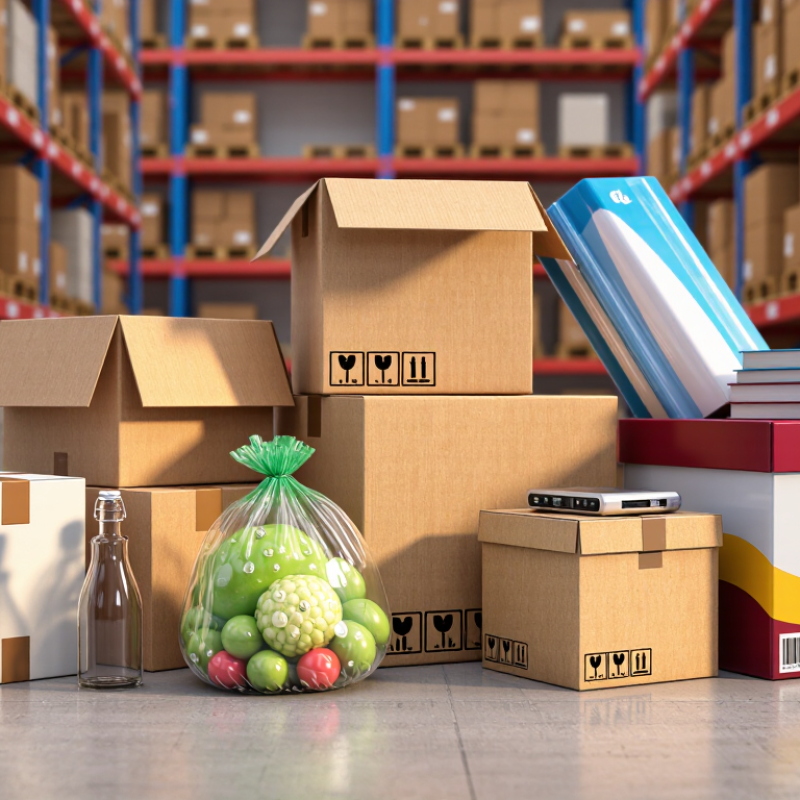
7 Best Carton Box Materials for Packaging in 2026

Carton Material Basics: Single-Wall Corrugated Board Has 3 Paperboard Plies

Single-wall corrugated board contains three paperboard plies: two flat linerboards and one fluted medium between them. The flutes form small arches that help resist compression and cushion bumps during handling. The liners provide smooth outer surfaces for printing and protect the middle layer. Simple construction, but the details matter.

Flute size, paper weight, and bonding quality all affect performance. A carton with thicker paper is not automatically stronger; the box design and the product’s weight also matter. For example, a snug carton around a ceramic mug needs different protection from a roomy box holding lightweight fabric. Moisture can weaken paperboard, too. A common mistake is choosing by appearance alone. Board ratings and a trial pack can reveal weaknesses that a quick visual check misses.

Tips: Match the board to the product’s weight and shipping conditions. Test a filled carton with realistic handling, and check for crushed corners or shifting contents. Results may vary with storage and humidity.

Seven Materials Compared: Corrugated, Folding Carton, Kraft, and Recycled Board

Corrugated board uses fluted paper between liners, creating cushioning for shipping and heavier goods. Folding carton board is thinner and scores cleanly, making it suited to retail boxes that need crisp folds and printed surfaces. Kraft board retains a brown, natural-looking finish and works well for simple cartons, though its appearance may not suit every product.

Solid bleached sulfate offers a smooth, bright surface for detailed graphics. Coated recycled board combines recovered fibers with a printable coated face; chipboard is a thicker, economical option for lightweight products. Recycled paperboard varies in shade and stiffness, so test each batch before scaling.

These names describe overlapping qualities, not seven completely separate structures.

The American Forest & Paper Association estimated that 65–69% of paper consumed in the United States was recycled in 2023.

That figure supports recycled-content choices, but it does not guarantee that a particular coated or laminated carton is recyclable locally.

Tips: Match board strength to product weight and shipping distance. Fold a sample by hand. Check for cracking at tight creases, especially on coated stock. A small prototype can reveal what a specification sheet misses.

Protective Paper Options: Honeycomb Board, Molded Pulp, and Rigid Chipboard

Honeycomb board, molded pulp, and rigid chipboard solve different packaging problems. Honeycomb board uses a paper-cell structure to absorb impact while staying relatively light. It works well as an insert around appliances, furniture parts, or other broad, flat items. Check the cell direction and board thickness against the product’s weight; a panel that feels sturdy by hand may still flex under a concentrated load. Molded pulp can cradle irregular shapes, such as bottles or small components, with fewer loose fillers. Its fit depends on careful sizing, and damp conditions can weaken some grades.

Rigid chipboard offers a smooth, firm surface for cartons, dividers, and presentation-style packaging. It resists crushing better than thin paperboard, but it is not automatically protective against drops. A common mistake is choosing by appearance alone. Test a packed sample through handling and stacking, then adjust the structure if corners bend or the item shifts. Material performance varies with thickness, recycled content, and humidity. There is no perfect option.

Tips: Match the insert to the product’s shape, weight, and likely movement. Test a real packed carton. Small gaps matter. If damage appears, revise the fit before increasing material thickness.

Material Specifications: GSM, Flute Structure, and ASTM D5118 Box Construction

GSM, or grams per square metre, describes paper weight, not complete box strength. A 200 GSM liner may feel firm, yet performance also depends on fibre quality, recycled content, and bonding. Numbers help compare papers. They do not tell the whole story. Check the liner and medium specifications together, especially when boxes will carry heavy or fragile products.

Flute structure adds cushioning and stacking support. Single-wall board combines two liners with one fluted medium; double-wall board adds another flute layer for demanding loads. Common flute profiles vary in thickness and flute count, affecting print surface, compression, and shock absorption. A thicker board is not automatically better. Humidity, box dimensions, and how goods sit inside can change results, sometimes more than buyers expect.

ASTM D5118 describes practices for fabricating fibreboard shipping boxes, including construction details that influence consistency. Review the specified box style, score lines, joints, and closure method, then confirm the finished design suits its distribution conditions. A neat sample is useful, but it cannot replace testing with the actual product and packing method. Specifications can still miss a weak corner or a poorly fitted insert. That deserves another check.

Recycling Benchmark: U.S. Paper Recovery Was 65–69% in 2023 (AF&PA)

Choosing carton box materials in 2026 means weighing protection, weight, and end-of-life options. U.S. paper recovery was reported at 65–69% in 2023, according to AF&PA. That figure offers useful context, but it is not a carton-specific recycling rate. Collection access, sorting, coatings, and local processing can all affect what gets recovered. A box may look recyclable and still be missed.

Corrugated board, paperboard, kraft paper, recycled-fiber board, and molded pulp each suit different needs. Corrugated board protects heavier goods; lighter paperboard can work for small retail items. Recycled content may reduce demand for virgin fiber, though strength and moisture resistance still matter. Test a packed box with real products, not just an empty sample. A crushed corner can tell you more than a polished specification sheet. One limitation remains: recovery data does not show how well every package performs in practice.

Tips: Keep designs simple. Avoid unnecessary mixed materials, and check whether local programs accept the box’s coatings or inserts. Flatten clean cartons when collection guidance recommends it. Record damage, packing time, and customer feedback during a trial run. These details can reveal trade-offs that a national benchmark cannot.