
Why Choose a Waterproof Toiletry Bag for Travel?

Why Choose a Waterproof Toiletry Bag for Travel?

Travel can turn a neat suitcase into a damp, disorganized mess. A leaking shampoo bottle may soak clothing within minutes. Toothpaste can spread across passports, cables, and hotel drawers. A Waterproof Toiletry Bag creates a practical barrier against these small but costly problems. Its coated fabric, sealed lining, and water-resistant zipper help contain spills. It also protects toiletries from wet bathroom counters and humid showers.

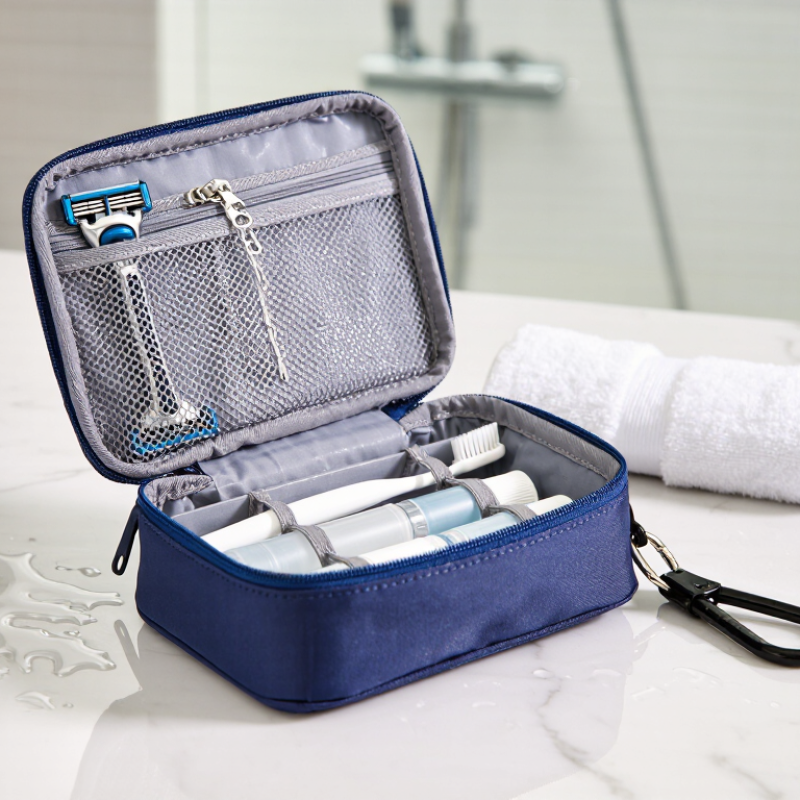
Travel gear expert Rick Steves offers a useful principle: “Pack light and pack smart.” A Waterproof Toiletry Bag supports that habit without adding much bulk. Clear compartments make small items easier to find. Elastic loops can hold a razor, toothbrush, or travel-size bottle upright. A hanging hook keeps the bag away from questionable hotel surfaces. Small details matter.

Still, waterproof is not magic.

Travelers should inspect zipper construction and stitched seams before relying on a bag. Some products resist splashes but cannot survive full immersion. That difference is easy to overlook. A strong bag should also dry quickly after use, because trapped moisture may encourage unpleasant odors. I would not choose a model based on appearance alone. A stylish finish means little if the zipper catches or the lining tears.

This guide examines the practical reasons to choose a Waterproof Toiletry Bag for travel. It considers hygiene, organization, durability, packing efficiency, and realistic protection. The goal is not to promise perfect security. It is to help travelers make a better-informed choice before their next journey.
Why Choose a Waterproof Toiletry Bag for Travel?

Waterproof Toiletry Bags: Definition and Key Features

A waterproof toiletry bag is designed to resist water entering or escaping during travel. It usually combines coated fabric, sealed seams, and a water-resistant zipper. “Water-resistant” and “waterproof” are not identical. A water-resistant pouch may survive bathroom splashes, while a waterproof model offers stronger protection during leaks or wet packing. ISO 811 provides a recognized method for testing textile resistance to water penetration. However, fabric testing does not automatically prove zipper or seam performance.

Useful features include welded seams, a wide opening, separate compartments, and a washable inner surface. A hanging hook can keep toiletries away from a damp hotel counter. Transparent sections also make small bottles easier to find. Grand View Research valued the global luggage market at approximately 35.49 billion dollars in 2023, with projected growth through 2030. That expansion reflects stronger demand for practical travel organization, not just appearance. In my packing tests, a leak-resistant bag protected clothing from shampoo spills, but the zipper still needed careful closing. Small details matter.

A compact shape helps.

Choose materials that feel flexible, not brittle. Coated nylon, TPU, or similar laminates can balance durability and weight. A fully waterproof design may trap moisture inside after use. Air-drying remains necessary. No bag is perfect. Check stitching, zipper construction, cleaning instructions, and independent test information before buying. Industry descriptions can sound stronger than real bathroom experience.

How Waterproof Materials Protect Toiletries During Travel

A waterproof toiletry bag helps protect personal-care items from spills, splashes, and damp bathroom surfaces during travel. In my packing experience, a loose shampoo cap can soak an entire suitcase overnight. Waterproof materials create a useful barrier between liquid products and clothing, documents, or electronics nearby.

Look for coated fabric, sealed seams, and a water-resistant zipper. These details matter because fabric alone does not guarantee protection. A bag with a smooth interior is easier to wipe clean after sunscreen or toothpaste leaks. Still, no toiletry bag is completely leak-proof. Pressure changes, worn seams, and poorly closed containers can defeat good materials. I once trusted a tightly packed bag too much, and a loose lid proved otherwise.

Tips: Place bottles upright when possible, and tighten every cap before packing. Use small leak-resistant containers for liquids. Keep sharp grooming tools in separate pockets to reduce puncture risks. After a trip, open the bag and let it dry fully. This prevents lingering moisture and unpleasant odors. Test the bag at home with a few drops of water before relying on it abroad. Check the seams closely. A tiny gap may matter later.

Benefits of Using a Waterproof Toiletry Bag on Trips

A waterproof toiletry bag can make ordinary travel problems easier to manage. On trips, shampoo, cleanser, and toothpaste often share a crowded suitcase. One loose cap can soak clothing overnight. An interior with sealed seams helps contain that mess and protects nearby items. I have found this especially useful after long train rides, when bags are handled roughly. It saves time.

The benefits continue in shared bathrooms. A wet toothbrush or damp razor can stay apart from clean clothes. Many bags use wipe-clean linings, so spilled lotion does not become a permanent stain. Several compartments keep small items visible. A hanging hook can also keep the bag off a wet sink. That feels minor. It is not. Still, waterproof claims deserve careful judgment. A strong bag should resist splashes, but it may not survive full submersion. Inspect the zipper, seams, and closure before every trip.

Size matters as much as protection. A large bag may hold everything, yet it can waste space and encourage overpacking. I once filled one until the zipper bowed, then discovered the lining was no longer reliable. That mistake was avoidable. Choose a size that leaves room around bottles, and tighten each cap before packing. Let the bag dry fully after use. Regular cleaning also reduces odors and residue. After a beach shower, I hang it open until the inside feels completely dry.

Choosing the Right Size, Design, and Storage Compartments

Why Choose a Waterproof Toiletry Bag for Travel?

Choosing the Right Size, Design, and Storage Compartments

A waterproof toiletry bag protects grooming items from shower splashes, wet towels, and accidental leaks during travel. I learned this after a shampoo bottle opened inside my suitcase. The right size matters more than maximum capacity. A compact bag suits short trips, while a larger design supports longer stays or shared essentials. However, oversized bags invite overpacking.

Measure your daily items before choosing a bag. Leave a little space for irregular bottles, but avoid unused corners that add bulk. A wide opening makes small products visible and easier to remove. A hanging hook helps in small bathrooms, especially when counter space is limited.

Flat designs pack neatly, although they may hold less than expected. I sometimes prefer structure, then regret the extra weight.

Storage compartments should match your routine, not a decorative checklist. Use separate pockets for toothbrushes, liquids, grooming tools, and personal care items. A sealed inner pocket can contain leaks, but it is not a substitute for tight caps. Mesh sections improve visibility and ventilation after use. Check zippers, seams, and lining for smooth operation before departure. Materials described as waterproof should resist water penetration; some only repel light splashes. That distinction deserves attention.

Cleaning, Maintaining, and Packing a Waterproof Toiletry Bag

A waterproof toiletry bag protects clothing from shampoo, toothpaste, and unexpected spills. I have found that regular cleaning keeps its lining from holding unpleasant smells. After each trip, I empty every pocket and shake out loose powder or sand. I wipe the inside with warm water and mild soap, using a soft cloth around seams. Harsh cleaners can weaken coatings and leave irritating residues. Let it breathe. I leave the bag fully open until every corner feels dry. Folding it while damp is a mistake I have made more than once. Small leaks matter. I also inspect the zipper, stitching, and handles for trapped residue or loose threads. If the bag develops a tear, I repair or replace it before another journey.

Packing carefully reduces pressure on the waterproof lining. I place bottles upright and tighten their caps before adding them. A small reusable pouch can hold liquids separately, especially when air pressure changes during flights. I keep sharp items covered and avoid overfilling the main compartment. Overpacking can strain the zipper and create weak points near the corners. Toiletries used daily stay near the opening, while backup items go deeper inside. I wipe wet toothbrushes before packing them, although I sometimes forget when leaving early. That habit needs improvement. At the destination, I remove the bag from a crowded suitcase and keep it on a dry bathroom shelf, away from standing water.

Why Choose a Waterproof Toiletry Bag for Travel? - Cleaning, Maintaining, and Packing a Waterproof Toiletry Bag

Category Practical Detail Travel Benefit or Care Guidance
Leak protection A waterproof bag helps contain spills from bottles, creams, toothpaste, and other liquid toiletries. Separates leaks from clothing and electronics, reducing the chance of damage inside luggage.
Waterproofing limits Waterproof fabric does not always mean the zipper, seams, or stitching are fully watertight. Keep tightly closed liquids in secure containers and follow the bag’s care and closure instructions.
Easy cleaning Wipe small spills promptly with a soft, damp cloth. Quick cleaning helps prevent residue, odors, and sticky buildup.
Routine washing Empty the bag, remove loose debris, and hand-wash with lukewarm water and mild soap unless the care label states otherwise. Gentle washing helps protect coatings, lining materials, zippers, and printed surfaces.
Drying method Wipe away excess water and air-dry the bag fully with the zipper or opening wide. Complete drying reduces trapped moisture and helps limit mildew and unpleasant odors.
Products to avoid Avoid bleach, abrasive scrubbers, solvents, and harsh chemical cleaners unless specifically approved by the care instructions. These products may weaken coatings, discolor fabric, or damage hardware.
Heat exposure Do not use a clothes dryer, iron, radiator, or high-heat dryer unless the manufacturer’s instructions allow it. Air-drying at room temperature is the safer general option for coated and synthetic materials.
Bottle preparation Check caps, screw tops, and pump locks; use travel-size containers with enough space for the trip. Secure closures reduce pressure-related leaks caused by handling or changes in altitude.
Packing order Place taller and heavier containers upright or at the base, then add smaller items around them. A stable arrangement reduces movement and makes frequently used items easier to find.
Separation system Keep liquids, dry grooming tools, medications, and small accessories in separate pouches or compartments when available. Separating categories improves organization and makes cleaning individual items easier.
Airport preparation For air travel, check the current liquid restrictions and place required liquids in the appropriate transparent bag if instructed. A waterproof toiletry bag can provide secondary leak protection, but it does not replace airport security requirements.
Inspection schedule Inspect the lining, seams, zipper, pulls, and closure before and after major trips. Early detection of cracks, peeling, broken stitching, or zipper problems helps prevent leaks during travel.
Best practice: Empty and dry the bag completely after each trip, especially if toiletries have leaked or the bag has been used in a humid bathroom.