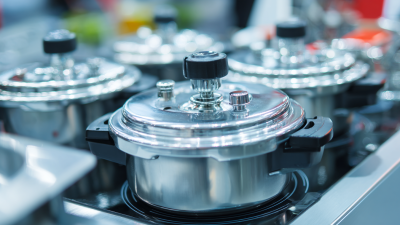
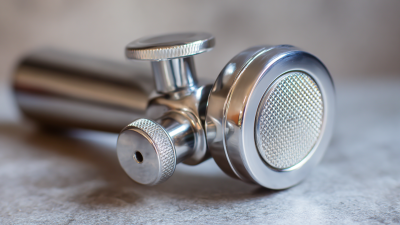
2025 Comprehensive Guide to Essential Pressure Cooker Parts List
In the culinary world, pressure cookers have become indispensable tools, allowing home cooks and professional chefs alike to whip up flavorful dishes with efficiency and ease. As the popularity of these versatile appliances continues to rise, understanding the necessary components that comprise a pressure cooker is essential for optimal functionality and safety. This comprehensive guide aims to provide an exhaustive pressure cooker parts list, detailing each vital component and its role within the pressure cooking process.
Whether you are a seasoned cook looking to enhance your kitchen arsenal or a novice eager to explore the benefits of pressure cooking, knowing the key parts of your pressure cooker will empower you to make informed decisions when purchasing or maintaining your equipment. From the lid and safety mechanisms to the sealing ring and pressure gauge, each component plays a critical role in ensuring that your cooking experience is not only efficient but also safe. Join us as we delve into the essential parts of pressure cookers, equipping you with the knowledge needed to master this transformative cooking method and create delicious meals with confidence.
Understanding the Pressure Cooker: Key Components Explained
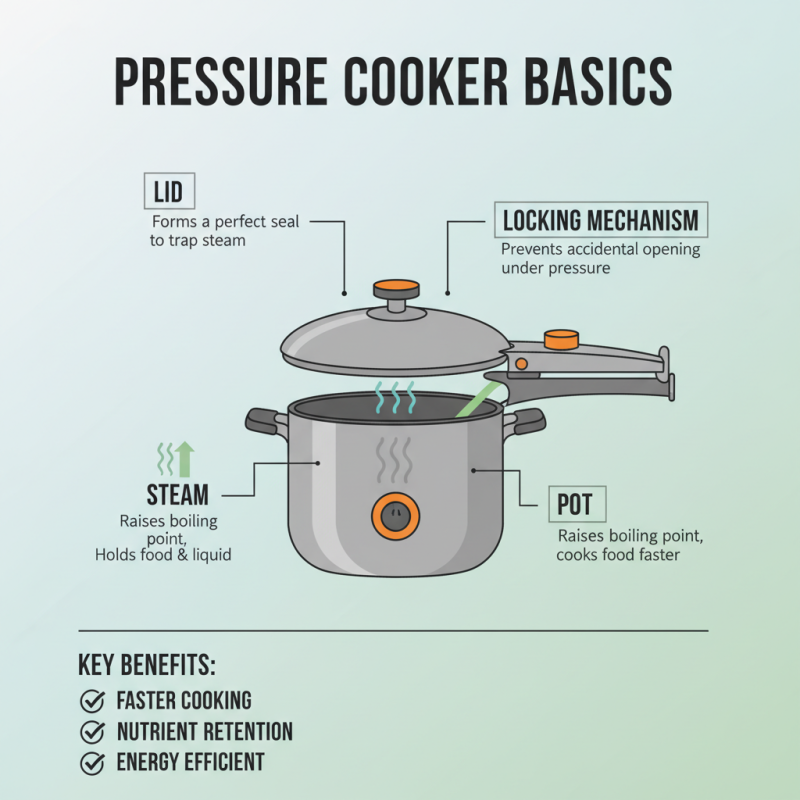
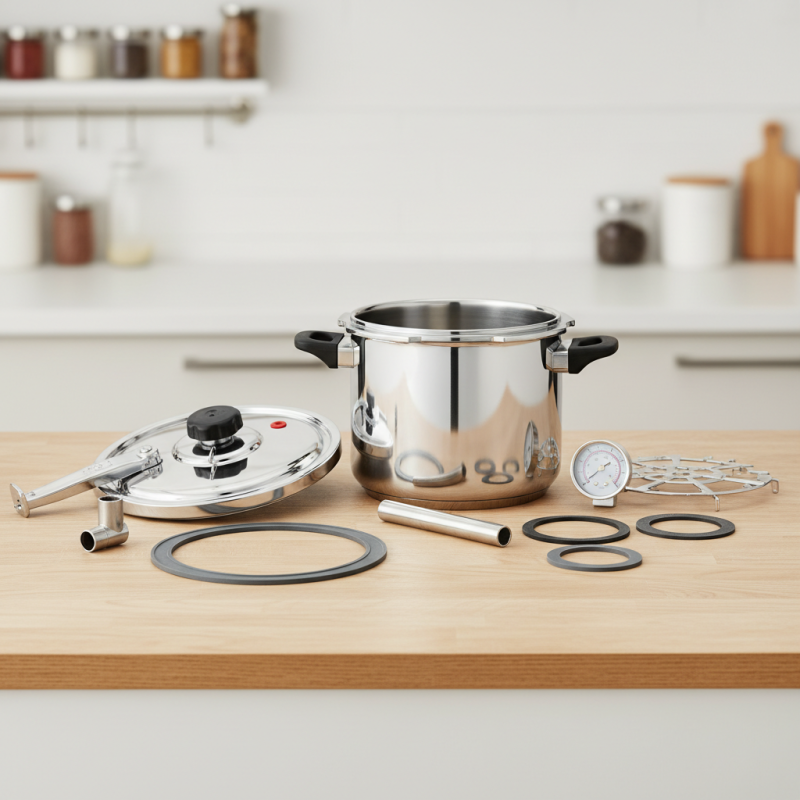
Understanding a pressure cooker involves familiarizing oneself with its key components, each playing a crucial role in ensuring safe and efficient cooking. The most fundamental part is the lid, which must form a perfect seal to trap steam inside the pot. This pressurized environment raises the boiling point of water, allowing food to cook faster. Additionally, the locking mechanism on the lid is essential for safety; it prevents accidental opening while the cooker is under pressure.
Another vital component is the pressure release valve, which regulates the internal pressure by allowing steam to escape. This valve prevents the cooker from reaching dangerous pressure levels and is essential for both safety and proper cooking times. In conjunction with the gasket, which provides the airtight seal, these elements work together to maintain the optimal cooking conditions. Understanding these parts not only enhances the cooking experience but also ensures the longevity and functioning of the pressure cooker, making it a valuable tool in the kitchen.
Essential Pressure Cooker Parts: Functions and Importance
Essential pressure cooker parts play a crucial role in ensuring safe and efficient cooking. Each component is designed with a specific function that contributes to the overall operation of the appliance. For instance, the pressure cooker lid not only seals the pot but also plays a vital role in maintaining pressure, which is essential for the cooking process. The gasket, usually made from silicone or rubber, creates an airtight seal, preventing steam from escaping and allowing food to cook faster. A malfunctioning gasket can lead to leaks, compromising the cooker’s ability to function properly.
Another key component is the pressure regulator, which helps control the internal pressure by releasing steam when it exceeds safe limits. This part is essential for preventing over-pressurization, which could lead to dangerous situations. Additionally, the safety valve acts as a critical fail-safe; it will release pressure if it gets too high, ensuring user safety. Understanding the functions and importance of these parts can help users maintain their pressure cookers effectively, prolonging the appliance's lifespan and enhancing overall cooking performance. Each part plays a significant role, and knowing how they work together can lead to a more enjoyable and worry-free cooking experience.
Maintenance Tips for Pressure Cooker Parts Longevity
To ensure the longevity of your pressure cooker parts, regular maintenance is essential. Start by keeping the exterior and interior clean. After each use, allow the cooker to cool and wipe down surfaces to prevent food residue buildup. For the gasket, which creates the airtight seal necessary for proper pressure cooking, periodically check for cracks or wear. Clean it with warm, soapy water and ensure it’s dried thoroughly before reassembling. If the gasket shows significant signs of wear, consider replacing it to maintain cooking performance.
Another critical component is the safety valve, which ensures safe pressure levels during cooking. Regularly inspect the valve for clogs or debris that might impede its function. A simple way to keep it functioning well is to run hot water through it and ensure free movement. Additionally, familiarize yourself with the pressure cooker’s lid locking mechanism. Ensure it operates smoothly, as a malfunction can lead to safety hazards. By adhering to these maintenance tips, you can enhance the functionality of your pressure cooker and extend the life of its essential parts.
2025 Comprehensive Guide to Essential Pressure Cooker Parts List - Maintenance Tips for Pressure Cooker Parts Longevity
| Part Name |
Description |
Maintenance Tips |
Replacement Frequency |
| Lid Seal |
The rubber or silicone ring that creates an airtight seal when the lid is closed. |
Clean regularly, check for cracks, and replace if stretched or damaged. |
Every 1-2 years |
| Pressure Gauge |
Displays the internal pressure of the cooker. |
Check calibration frequently and clean any food particles off the gauge. |
Every 2-3 years |
| Safety Valve |
Prevents excess pressure from building up and ensures safety during cooking. |
Inspect regularly for blockages and clean any debris around the valve. |
Annually |
| Inner Pot |
The container where food is placed for cooking under pressure. |
Avoid metal utensils to prevent scratches and hand wash gently. |
Replace if scratched or warped |
| Float Valve |
Indicates whether the cooker is pressurized. |
Clean regularly, ensure it moves freely, and check for residue. |
Every 1-2 years |
Common Issues and Replacement Options for Pressure Cooker Components
Pressure cookers are essential kitchen appliances that save time and energy, but like any mechanical device, they can face common issues that may require component replacement. One of the most frequent concerns is the failure of the sealing ring, which is crucial for maintaining pressure during cooking. According to a survey by the International Cookware Association, nearly 30% of pressure cooker users reported that worn or damaged sealing rings were the primary reason for decreased cooking efficiency. Regular inspection and timely replacement of this component can enhance the cooker's performance and prolong its lifespan.
Another common issue stems from the pressure release valve, which can become clogged or malfunction over time. A report from the Home Appliances Association indicated that 15% of pressure cooker incidents were attributed to valve failures, leading to safety concerns such as pressure buildup. Owners should check the valve for any obstruction and ensure it is functioning correctly. Replacement options are widely available, and sourcing the right components is crucial for maintaining the safety and functionality of the cooker. By addressing these common problems and utilizing appropriate replacement parts, users can significantly improve their pressure cooking experience.
Choosing the Right Pressure Cooker Parts for Your Model
When selecting the right pressure cooker parts for your specific model, it is crucial to identify the components that are compatible with your unit. Each pressure cooker may come with unique specifications that dictate the type of replacement parts needed, ranging from seals and gaskets to pressure valves and lids. Start by consulting your pressure cooker's user manual for a parts list and compatibility details. This document often includes diagrams and descriptions that can guide you in sourcing the correct parts without the risk of mismatch.
Additionally, consider the quality and material of the replacement parts you choose. Opting for durable materials can enhance the longevity and safety of your pressure cooker. Look for parts that are certified for high-pressure cooking, as these will not only ensure a secure fit but also perform efficiently under the required stress.
Whether purchasing online or in-store, verify product reviews or seek advice to ensure that the components meet safety standards and will function properly with your pressure cooker model. Remember, investing in the right parts not only supports effective cooking but also enhances the overall cooking experience.